
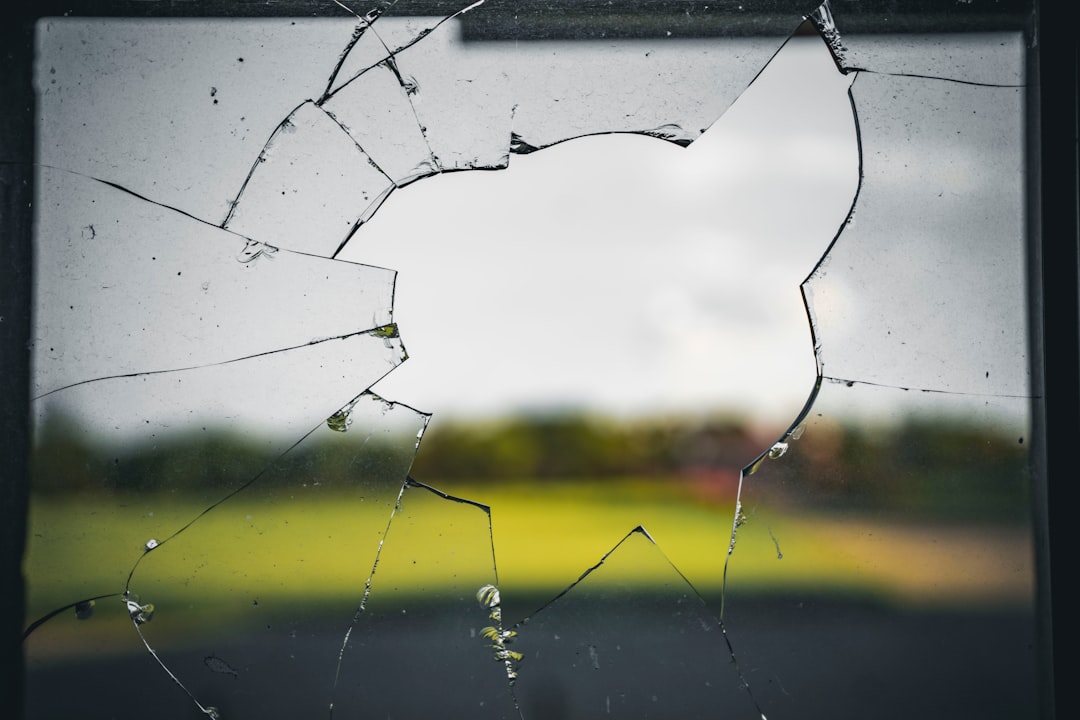
A small crack in a vehicle’s windshield often presents a dilemma: should the windshield be repaired or replaced? This decision involves various factors, including safety, cost, legality, and vehicle value. Understanding these considerations is crucial for making an informed choice, as a seemingly minor crack can have significant implications. This article explores the nuances of windshield damage, offering a comprehensive guide to evaluating repair versus replacement options for small cracks.
The Windshield’s Role
The windshield is more than just a piece of glass; it is an integral structural component of a vehicle. It provides critical support to the roof, helps maintain the vehicle’s structural integrity during a rollover accident, and acts as a barrier during frontal impacts, ensuring proper airbag deployment. Its optical clarity is paramount for driver visibility, directly impacting road safety. Even a small crack can compromise these functions.
Defining “Small”
The term “small crack” is subjective but generally refers to chips, stars, bullseyes, or short line cracks that are within a specific size limit, typically no larger than a quarter or sometimes a dollar bill. These types of damage are often caused by impacts from small road debris, such as pebbles or gravel. The location of the crack also plays a significant role in determining its reparability.
If you have a small crack on your windshield, you might be wondering whether to replace or repair it. It’s essential to assess the size and location of the crack, as well as how it affects your visibility while driving. For more insights on making informed decisions about repairs and replacements, you can check out this related article on choosing the right trim for exterior doors, which emphasizes the importance of proper maintenance and care in various home improvement contexts. You can read it here: How to Choose Trim for Exterior Doors.
Assessing the Damage
Before deciding on repair or replacement, a thorough assessment of the windshield damage is necessary. This involves evaluating the type, size, depth, and location of the crack. Each of these elements contributes to the crack’s overall severity and potential for successful repair.
Type of Damage
Small windshield damage can manifest in several forms, each with distinct characteristics:
Chip (Stone Break)
A chip, also known as a stone break, is a small piece of glass that has been dislodged from the windshield’s outer layer, typically hemispherical in shape. The impact point usually leaves a pit, and sometimes short cracks radiate from it.
Star Break
A star break is characterized by a central impact point with several short cracks radiating outwards, resembling a star. These are often more complex than simple chips and require careful attention during repair.
Bullseye
A bullseye crack forms a circular pattern with a clear, conical impact point in the center. The surrounding area often shows concentric circles of stress, indicative of the force endured.
Combination Break
A combination break incorporates features of multiple damage types, such as a chip with radiating cracks, or a star break with a distinct bullseye center. These can be more challenging to repair due to their intricate nature.
Line Crack (Short)
A short line crack is a linear fracture without a distinct impact point, sometimes originating from a chip or star break that has propagated. These are typically considered repairable if under a certain length (e.g., 6 inches) and not in a critical viewing area.
Size and Depth
The dimensions of the damage are critical. Most repairable cracks are limited to those that can be covered by a quarter. Deeper damage, particularly if it penetrates the inner layer of the laminated glass, is generally beyond the scope of repair and necessitates replacement. The depth directly correlates with the amount of material compromised and the potential for structural weakening.
Location of Damage
The crack’s location significantly influences whether it can be repaired.
Critical Viewing Area
This area is defined as the portion of the windshield directly in the driver’s line of sight, typically spanning the arc of the windshield wiped by the driver’s side wiper blade. Any damage in this zone, regardless of size, can impair visibility and is often deemed unrepairable due to safety concerns. Even a small repaired crack in this area can create optical distortion.
Edge Proximity
Cracks extending to or originating from the edge of the windshield are problematic. The edges are under greater stress due to the windshield’s mounting within the vehicle frame. Damage near the edge (typically within 1-2 inches) can compromise the glass’s structural integrity and is prone to spreading quickly, often requiring full replacement.
Sensor and Camera Areas
Modern vehicles often integrate advanced driver-assistance systems (ADAS) behind the windshield, including cameras for lane keeping assist, adaptive cruise control, and automatic emergency braking, as well as rain sensors and light sensors. Damage in the vicinity of these sensors can interfere with their calibration and functionality, necessitating windshield replacement and subsequent sensor recalibration.
Repair Options Explained
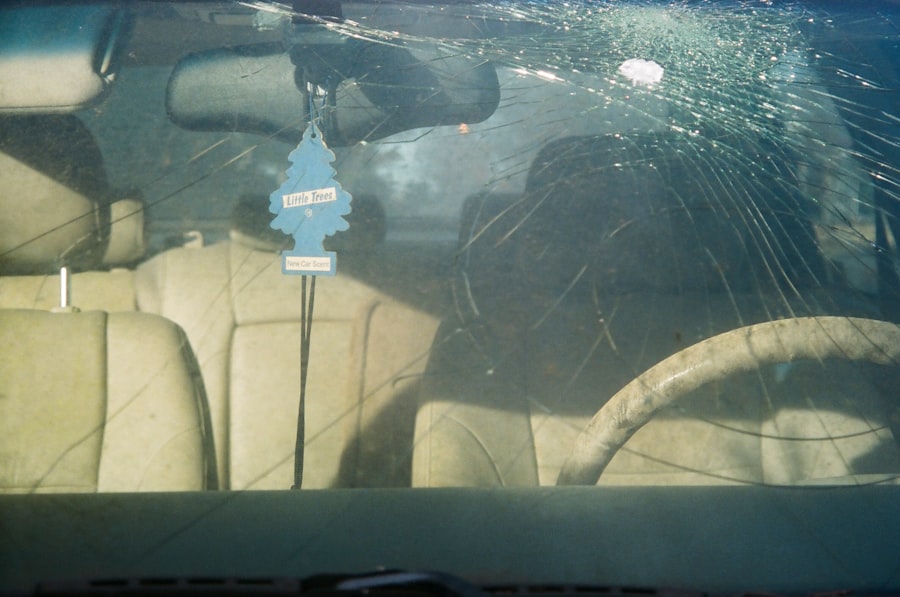
Windshield repair is a process designed to stop the spread of small cracks and restore the optical clarity and structural integrity of the damaged area. It typically involves injecting a special resin into the crack.
The Repair Process
The repair process for a small crack typically involves several steps:
Cleaning and Preparation
The damaged area is thoroughly cleaned to remove any dirt, moisture, or debris that could interfere with the resin’s adhesion. Specialized tools may be used to create a clear path for the resin.
Resin Injection
A vacuum injector tool is used to create a vacuum over the damaged area, drawing out air and moisture from within the crack. This vacuum is then released, and a clear, highly adhesive resin is injected under pressure into the crack. The resin fills the intricate channels of the damage.
Curing
Once the resin has completely filled the crack, it is cured using ultraviolet (UV) light. UV light hardens the resin, bonding the damaged glass together and restoring its strength. This step is critical for durability.
Polishing
After curing, any excess resin is carefully scraped off the windshield surface, and the repaired area is polished to smooth out any imperfections and restore optical clarity. The goal is to make the repaired area as inconspicuous as possible.
Advantages of Repair
Choosing to repair a small crack offers several benefits:
Cost-Effectiveness
Repair is significantly less expensive than full windshield replacement. This is often the primary driver for opting for repair.
Time Efficiency
The repair process is typically quick, often taking less than 30 minutes to an hour. This minimizes vehicle downtime compared to a replacement, which can take several hours to complete and requires a waiting period for the adhesive to cure.
Retains Original Seal
Repairing retains the original factory seal of the windshield. This is crucial for maintaining the vehicle’s structural integrity, as factory seals are often stronger and more reliable than aftermarket installations.
Environmentally Friendly
Repairing a windshield generates less waste than replacing one, as it avoids sending the old glass to a landfill. This aligns with environmental sustainability efforts.
Limitations of Repair
Despite its advantages, windshield repair has limitations:
Not All Cracks Are Repairable
As discussed, size, depth, type, and location of the damage restrict reparability. Cracks that are too large, too deep, or in critical areas cannot be safely or effectively repaired.
Appearance
While repair restores structural integrity and prevents spreading, it may not completely erase the visible evidence of the damage. A faint outline or “ghost” of the crack may remain, especially if the damage was complex. This can be a concern for some owners regarding aesthetics.
Optical Distortion
In some cases, especially with larger repaired cracks or those in the driver’s primary viewing area, some minor optical distortion or haze may persist. This distortion, though minimal, can be a safety concern if it impairs visibility.
Replacement Options Explained
When repair is not feasible or advisable, full windshield replacement becomes the necessary course of action. This involves removing the old windshield and installing a new one.
The Replacement Process
Windshield replacement is a more involved procedure than repair:
Removal of Old Windshield
Specialized tools are used to carefully cut through the adhesive seal that holds the old windshield in place. The old glass is then removed. Care must be taken not to damage the vehicle’s paintwork or interior.
Frame Preparation
The windshield frame is thoroughly cleaned of old adhesive and debris. A new primer is often applied to ensure proper adhesion of the new windshield. This preparatory step is crucial for the integrity of the new seal.
Installation of New Windshield
A new bead of automotive-grade adhesive (urethane) is applied to the frame, and the new windshield is carefully positioned and pressed into place. Proper alignment is critical for structural integrity and preventing leaks.
Curing Time
After installation, the vehicle requires a significant curing period for the adhesive to fully harden. This “safe drive away time” can range from 1 to 24 hours, depending on the type of adhesive used and ambient conditions. Driving prematurely can compromise the seal and lead to problems.
Advantages of Replacement
Opting for windshield replacement ensures a completely new, undamaged surface:
Restored Clarity
A new windshield provides uncompromised optical clarity, crucial for safe driving. There will be no visible remnants of previous damage or potential distortion.
Full Structural Integrity
Replacement fully restores the windshield’s structural contributions to the vehicle, including roof support and airbag deployment. This is vital for overall vehicle safety.
Addresses Complex Damage
Replacement is suitable for all types of damage, irrespective of size, location, or severity. This makes it the default solution for extensive damage.
ADAS Calibration
For vehicles with ADAS, replacement allows for proper recalibration of cameras and sensors, ensuring these safety features function as intended with the new glass. This is an essential step that often accompanies replacement in modern vehicles.
Disadvantages of Replacement
While comprehensive, replacement has its drawbacks:
Higher Cost
Windshield replacement is substantially more expensive than repair due to the cost of the new glass, additional materials, and longer labor time.
Longer Vehicle Downtime
The replacement process and subsequent curing time mean the vehicle will be out of commission for a longer period, potentially inconveniencing the owner.
Risk of Installation Issues
Poor installation can lead to various problems, including windshield leaks, wind noise, compromised structural integrity, and improper ADAS functionality. Choosing a reputable installer is therefore paramount.
Loss of Original Seal
The original factory seal is removed during replacement, and while new aftermarket adhesives are strong, some argue they may not always match the exact properties or long-term durability of the factory original.
If you have a small crack on your windshield, you might be wondering whether to replace or repair it. It’s important to assess the size and location of the crack, as these factors can influence your decision. For more insights on maintaining glass features in your home, you can check out this informative article on the best window options for bedrooms and kids’ rooms, which highlights the importance of choosing the right glass for safety and aesthetics. Understanding the implications of glass damage can help you make better choices for both your vehicle and your living space.
Legal and Insurance Considerations
<?xml encoding=”UTF-8″>
| Factor | Details | Recommendation |
|---|---|---|
| Crack Size | Less than 6 inches (15 cm) | Repair is usually sufficient |
| Crack Location | Not in driver’s direct line of sight | Repair recommended |
| Crack Location | In driver’s direct line of sight | Replacement recommended for safety and clarity |
| Crack Type | Single straight crack or small chip | Repair is effective |
| Crack Type | Multiple cracks or spider web pattern | Replacement recommended |
| Crack Age | Recent crack (within a few days) | Repair more likely to be successful |
| Crack Age | Old crack with dirt or moisture inside | Replacement may be necessary |
| Cost Consideration | Repair cost is generally lower than replacement | Repair preferred if possible |
| Safety | Structural integrity of windshield | Replace if crack compromises safety |
The decision to repair or replace can also be influenced by legal mandates and insurance policies. Understanding these aspects is essential for compliance and financial prudence.
Vehicle Inspection Laws
Many jurisdictions have laws governing the condition of vehicle windshields. Large cracks, or any crack that significantly obscures the driver’s vision in the critical viewing area, can lead to failed inspections or traffic citations. These laws are in place to ensure road safety. Familiarize yourself with local regulations.
Insurance Coverage
Automotive insurance policies often cover windshield repair and replacement, though the specifics vary:
Comprehensive Coverage
Typically, comprehensive insurance policies cover windshield damage. Many insurers waive the deductible for windshield repairs, making them free for the policyholder. For replacements, the comprehensive deductible usually applies.
Deductibles
Be aware of your deductible. If the cost of replacement is close to or less than your deductible, it might not be financially advantageous to file a claim. However, for repairs, the waived deductible is often a significant benefit.
Claims Impact
While a windshield claim under comprehensive coverage is generally considered a “no-fault” claim and should not directly increase your premiums, repeated claims or claims that are part of a larger pattern could indirectly affect future rates.
If you’ve recently noticed a small crack on your windshield, you might be wondering whether it’s better to replace or repair it. Understanding the factors that influence this decision can help you make an informed choice. For instance, the size and location of the crack play a crucial role in determining the best course of action. To delve deeper into related topics, you can explore this informative article on choosing the right material for your window, which provides valuable insights that may assist you in your decision-making process.
Making the Decision
Now, synthesizing the information, how do you decide? Think of your windshield as a protective shield; a small dent might be repairable, but a deeper fracture calls for a new shield altogether.
When to Repair
Repair is typically the preferred option if:
- The damage is a chip, star break, or bullseye.
- The damage is smaller than a quarter (or a dollar bill, depending on strict guidelines).
- The crack is not on the edge of the windshield.
- The damage is not in the driver’s critical viewing area.
- The crack has not penetrated the inner layer of the glass.
- You prioritize cost-effectiveness and quick resolution.
When to Replace
Replacement is necessary if:
- The crack is a long line crack (e.g., over 6 inches).
- The damage is larger than a quarter or a dollar bill.
- The crack extends to the edge of the windshield.
- The damage is in the driver’s critical viewing area.
- The crack affects ADAS sensor or camera functionality.
- There are multiple cracks or significant overall damage.
- The damage is deep, affecting both layers of laminated glass.
- You require perfect optical clarity without any residual imperfections.
Professional Consultation
When in doubt, a professional assessment by a certified automotive glass technician is the most prudent step. Technicians have the expertise and tools to accurately evaluate the damage and provide an informed recommendation based on industry standards, safety guidelines, and vehicle-specific requirements. They can also explain the implications for your vehicle’s ADAS systems.
Aftercare and Prevention
Once the decision is made and the work is done, proper aftercare and preventive measures can help maintain your windshield condition.
Post-Repair/Replacement Care
Curing Time Adherence
For replacements, strictly adhere to the professional’s recommended safe drive away time. Avoid car washes, slamming doors, or placing undue stress on the new windshield during this period.
Regular Cleaning
Keep the windshield clean using appropriate glass cleaner and soft cloths. Avoid abrasive chemicals or tools that could scratch the glass.
Inspection
Periodically inspect your windshield for new chips or cracks, especially after driving on gravel roads or in construction zones.
Preventive Measures
While not all windshield damage is preventable, certain practices can reduce the risk:
Maintain Safe Following Distance
Keeping a safe distance from other vehicles, particularly trucks carrying gravel or construction debris, significantly reduces the likelihood of being hit by flying road debris.
Avoid Extreme Temperature Changes
Sudden and drastic temperature changes can stress a windshield, especially if it already has a hidden imperfection. Avoid pouring hot water on a frozen windshield or aiming extremely cold air directly at a hot windshield.
Park Safely
When possible, avoid parking under trees that drop acorns or large branches, or in areas where construction debris might fall.
Address Damage Promptly
The “stitch in time saves nine” adage applies particularly well to windshield damage. A small chip, if left unattended, is much more likely to spread into a larger, irreparable crack due to temperature fluctuations, road vibrations, or additional impacts. Addressing small damage quickly maximizes the chance of a successful and cost-effective repair.
Conclusion
The choice between repairing and replacing a small windshield crack is a multifaceted decision that involves an assessment of the damage, consideration of the associated costs and benefits, and understanding of legal and insurance implications. While repair offers an economical and time-efficient solution for minor damage, replacement becomes essential when safety, structural integrity, or optical clarity are significantly compromised. Ultimately, consulting with a qualified automotive glass professional is the most reliable course of action to ensure the safety and longevity of your vehicle’s windshield.
FAQs
How small does a crack need to be to consider repair instead of replacement?
Generally, cracks smaller than 6 inches (about the length of a dollar bill) can often be repaired. Larger cracks usually require windshield replacement for safety and structural integrity.
Can a small crack on a windshield worsen over time?
Yes, small cracks can expand due to temperature changes, vibrations, and road conditions, potentially compromising the windshield’s strength and visibility.
Is repairing a small crack on a windshield covered by insurance?
Many insurance policies cover windshield repairs with little or no deductible, but coverage varies by provider and policy. It’s best to check with your insurer for specific details.
How long does it take to repair a small crack on a windshield?
Windshield crack repairs typically take about 30 minutes to an hour, depending on the crack’s size and location.
Will a repaired crack be completely invisible after the repair?
While repairs significantly improve the appearance and prevent crack spreading, the repaired area may still be slightly visible under certain lighting conditions. The primary goal is safety and preventing further damage.

Recent Comments