
Got a chip or crack in your car’s windshield? You’re probably wondering about quick car window glass repair near you. The good news is, most likely, you can get it fixed efficiently without needing a full replacement. In many cases, minor damage can be repaired on-site or at a local shop, often within an hour or two. The key is to address it promptly to prevent further spreading and to ensure your safety.
When a small chip or crack appears in your car’s glass, it’s not always game over for the whole windshield. Many times, a repair is entirely possible and much faster than a replacement. This process essentially involves injecting a special resin into the damaged area.
How the Repair Process Actually Works
The resin used in windshield repair is a clear, acrylic-like material. It’s designed to bond with the glass and restore the structural integrity of the windshield. Think of it like a super-strong glue that fills in the void.
The Resin Injection Technique
A specialized tool is used to create a slight vacuum over the damaged spot. This suction helps to draw out any moisture or air from the crack. Then, the repair resin is gradually injected under pressure, filling the space completely.
Curing and Finishing
Once the resin is in place, it’s cured, usually with a special UV light. This process hardens the resin, effectively sealing the chip or crack. The area is then polished smooth, which often makes the repair almost unnoticeable, especially for smaller damages. The goal is to restore clarity and prevent the damage from spreading.
What Kind of Damage Can Be Repaired?
Not all chips and cracks are created equal, and some are simply too severe for repair. Generally, if the damage is small and not in a critical area, a repair is a strong possibility.
The Size Matters: Chips vs. Cracks
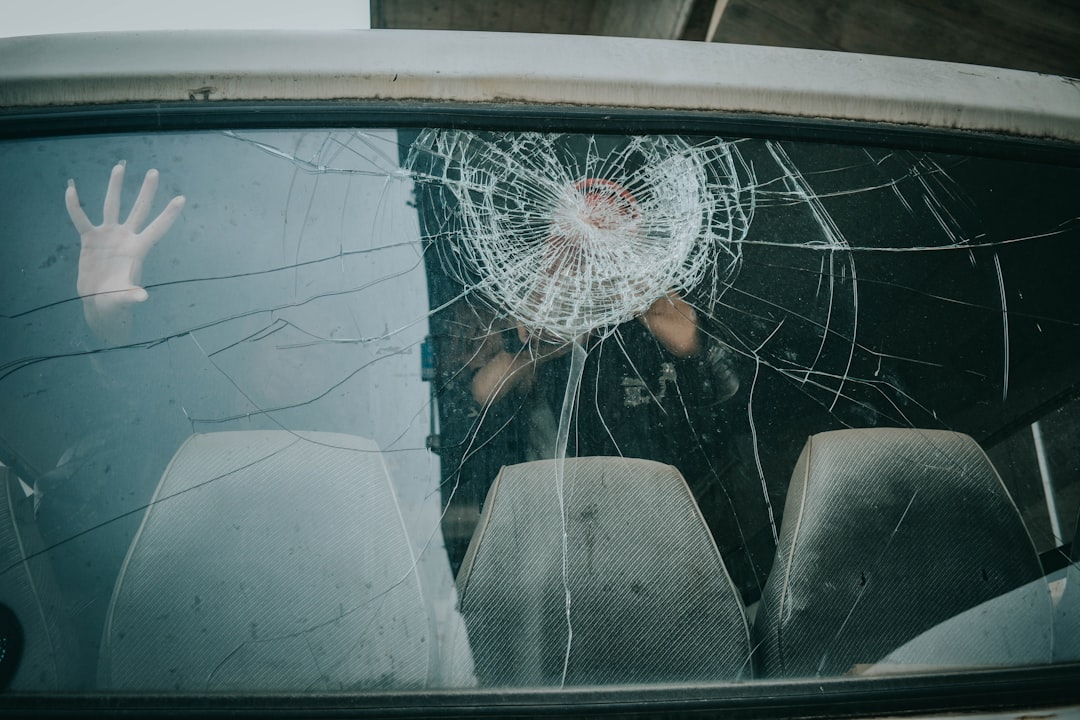
Small chips, often caused by pebbles or debris, are the ideal candidates for repair. These are typically circular or star-shaped and are less than about the size of a quarter. Cracks, on the other hand, are linear breaks in the glass.
“Bullseye” Chips: The Easy Fix
These are usually small, defined circular damages with a small impact point. They are straightforward to repair because the resin can be easily injected into the concentrated damage.
“Spiderweb” Cracks: More Complex, but Possible
These have multiple small cracks radiating from a central impact point. As long as the overall length of the cracks is within limits and they haven’t entered the driver’s direct line of sight, they can often be repaired.
Other Chip Variations
There are other types of chips, like “combination breaks” which are a mix of a bullseye and short cracks. Technicians assess these based on their size and severity.
Location, Location, Location: Where the Damage Is
The position of the chip or crack on your windshield is a significant factor. Damage in certain areas makes repair more challenging or even impossible.
The “Edge of the Windshield” Dilemma
Damage that occurs very close to the edge of the windshield can be problematic. The glass’s integrity is more compromised in these areas, and there’s a higher risk of the damage spreading further during the repair process. Sometimes, a professional might deem an edge chip too risky.
The Driver’s “Line of Sight” Rule
Perhaps the most crucial factor is whether the damage impairs the driver’s vision. Regulations and safety standards dictate that the driver’s clear view must be maintained. If the chip or crack directly obstructs your vision while driving, a replacement is usually necessary, even if it’s small.
The “Long Crack” Constraint
Longer cracks, typically over six inches, are generally too extensive to be effectively repaired. The resin may not be able to bridge such a large gap, and the structural integrity might not be fully restored.
Finding a Quick Repair Service Near You
Locating a reliable and quick car window glass repair service is straightforward. You have a few excellent options, and most prioritize speed and convenience.
Mobile Repair Services: Convenience Delivered
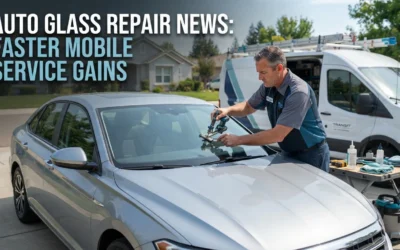
Many companies offer mobile repair services. This means they’ll come to your home, office, or wherever is convenient for you. This is ideal if you’re pressed for time or don’t want to disrupt your day.
The Advantages of Mobile Service
The primary advantage is the sheer convenience. You don’t have to drive anywhere, wait in a waiting room, or arrange transportation. The technician arrives with all the necessary equipment and performs the repair on the spot.
How to Book a Mobile Appointment
Typically, you’ll call the company or book online through their website. You’ll provide your location, a description of the damage, and your availability. They’ll then schedule a technician to come to you.
Local Auto Glass Shops: Established Options
Your local auto glass repair shops are another great resource. These are physical locations where you can drop off your car for service.
What to Expect at a Physical Shop
When you arrive, a technician will assess the damage. If it’s repairable, they’ll usually be able to fit you into their schedule quickly, especially for minor repairs. The repair itself typically takes less than an hour.
Checking Reviews and Reputation
Before choosing a shop, it’s a good idea to check online reviews. Look for comments about speed, quality of work, and customer service. A well-established business with positive feedback is usually a safe bet.
Dealerships vs. Independent Shops: A Comparison
You have the choice of going to your car dealership or an independent auto glass specialist. Both have their pros and cons when it comes to speed and cost.
Dealership Service: Potential for Higher Cost
While dealerships offer manufacturer-specific expertise, their services can sometimes be more expensive. Their appointment availability might also be more limited compared to independent shops.
Independent Specialists: Often Faster and More Affordable
Independent auto glass shops often specialize in windshield repair and replacement. This specialization can lead to more efficient service and potentially lower prices. They are frequently more flexible with scheduling for quick repairs.
The Time Factor: How Long Does It Really Take?
When you’re looking for a “quick” fix, time is of the essence. The good news is that most standard windshield repairs are remarkably fast.
The Actual Repair Time: From Start to Finish
The physical process of repairing a chip or crack, once the technician is ready to begin, usually takes between 30 minutes and an hour. This includes cleaning the area, injecting the resin, and curing it.
Prep Work and Setup
Before the resin injection, the technician will clean the damaged area thoroughly. This might involve removing any loose glass fragments and ensuring the surface is clean for optimal bonding.
The Injection and Curing Process
The injection itself is usually quick, followed by the curing stage under UV light. This part is critical for the resin to harden properly and create a strong bond.
Finishing Touches
After curing, the technician will likely polish the repaired area to ensure it’s smooth and blends in as much as possible. This polishing step is usually brief.
Waiting Time and Scheduling
The “quickness” often depends on how fast you can get an appointment. This is where mobile services and shops with good availability shine.
Scheduling an Immediate Appointment
If your damage is minor and you call early in the day, many shops can often fit you in for a same-day appointment, especially if you choose a mobile service.
Factors Affecting Waiting Time
The time of day, day of the week, and the general busyness of the repair service can all influence how quickly you can get your car looked at. Weekends and busy periods might involve a shorter wait.
Cost Considerations for Quick Repairs
Repairing a chip or crack is significantly more budget-friendly than replacing the entire windshield. The cost depends on the extent of the damage and where you get it done.
Is it Cheaper Than Replacement?
Yes, almost always. A full windshield replacement can cost anywhere from a few hundred to over a thousand dollars, depending on the vehicle make and model. A repair, on the other hand, is typically a fraction of that cost.
The Repair Cost Range
You can generally expect to pay anywhere from $50 to $150 for a standard windshield repair. This price can vary based on the complexity of the damage and the service provider.
What Influences the Price?
The size and type of damage are the primary cost drivers. More complex repairs might take a bit longer and use more specialized techniques, potentially increasing the price slightly. Mobile service fees might also be a factor, though often they are quite competitive.
Insurance Coverage: Does it Help?
Many auto insurance policies cover windshield repairs, often with a waived deductible. This is a significant benefit that makes getting a quick repair even more appealing.
Checking Your Policy
It’s always a good idea to check your specific auto insurance policy or call your provider. Many will cover the full cost of a repair, as it prevents more expensive damage and potential accidents.
The Claim Process
If your insurance covers it, the repair shop will likely handle the billing directly with your insurance company. This simplifies the process for you. You might only need to provide your policy information.
Avoiding Further Damage: The Cost of Waiting
Delaying a repair can lead to more significant problems and higher costs down the line. A small chip can quickly turn into a long crack due to temperature changes, vibrations, or even car washes.
The Spreading Risk
The forces of driving – bumps, vibrations, and temperature fluctuations – can cause small chips to expand into larger cracks. Once a crack reaches a certain length, it often necessitates a full windshield replacement.
Safety Implications of Waiting
A compromised windshield is a safety hazard. Its structural integrity is reduced, and it plays a critical role in the deployment of airbags and the overall stability of the vehicle in an accident. Ignoring damage can therefore have serious consequences.
If you’re looking for car window glass repair near you, it’s also beneficial to consider the different types of glass options available for your home. For instance, the article on the best window options for bedrooms and kids’ rooms provides valuable insights into selecting the right glass that enhances safety and comfort. You can read more about it here: best window options for bedrooms and kids’ rooms. This knowledge can help you make informed decisions not only for your vehicle but also for your living spaces.
When You Need More Than Just a Quick Fix
While quick repairs are ideal, sometimes the damage is simply too extensive. It’s important to know when a replacement is the only safe and viable option.
Recognizing When Replacement Is Necessary
Not all windshield flaws can be mended. There are clear indicators that point towards the need for a full windshield replacement.
The Size and Length of the Damage
As mentioned before, very large chips or long cracks are generally beyond repair. If a crack exceeds around six inches, or a chip is larger than a quarter and has spread significantly, replacement is usually the answer.
Deep or Shattered Glass
If the glass is deeply chipped or shattered, meaning multiple pieces are missing or the glass is significantly compromised, repair is unlikely to restore its strength.
Damage That Reaches the Edges
When damage extends to the very edge of the windshield, the structural integrity of the entire panel can be compromised. Repairing these can be risky and may not hold.
Location of the Damage: Critical Areas
The position of the damage is a crucial factor in determining if replacement is needed, especially regarding safety.
Impacted Driver’s Line of Sight
Any damage that directly obstructs the driver’s view of the road is a major safety concern. This includes chips, cracks, or delamination that interfere with clear vision.
Damage to the “Pinch Weld” Area
The pinch weld is the area where the windshield meets the car’s frame. Damage here can affect the seal and the structural integrity of the vehicle. Repairs in this sensitive area are often not recommended.
Multiple Damaged Areas
If your windshield has several individual chips or cracks, even if they are small, the cumulative damage can weaken the glass to a point where replacement is the only safe option.
The Replacement Process: What to Expect
Replacing a windshield is a more involved process than repairing a small chip. However, qualified technicians can usually complete it efficiently.
Removing the Old Windshield
The process begins with carefully cutting away the old windshield. This is done using specialized tools to avoid damaging the car’s frame.
Cutting the Sealant
Auto glass technicians use tools like cutting wires or knives to break the bond between the old windshield and the car’s body. This requires precision to avoid scratching the paint or damaging the frame.
Careful Extraction
Once the sealant is cut, the old windshield is lifted out and disposed of. The area is then cleaned and prepared for the new glass.
Installing the New Windshield
This is a critical step that ensures a proper seal and structural integrity.
Preparing the Frame
The car’s frame is meticulously cleaned to remove any residue from the old adhesive. A primer is then applied to ensure the new adhesive adheres properly.
Applying Adhesive
A high-quality, automotive-grade adhesive is applied to the frame or the new windshield. This adhesive is crucial for both sealing the cabin from the elements and for the structural support the windshield provides.
Setting the New Glass
The new windshield is carefully placed into position. Technicians use specialized tools to ensure it’s perfectly aligned before the adhesive begins to cure.
Curing Time and Driving Restrictions
After installation, the adhesive needs time to cure properly before the vehicle can be driven safely.
Understanding Cure Times
The exact curing time can vary depending on the type of adhesive used and environmental conditions like temperature and humidity. Manufacturers usually provide specific guidelines.
Safely Resuming Driving
Typically, after a few hours, the windshield is bonded enough for safe driving. However, it’s crucial to follow the technician’s recommendations regarding driving restrictions, especially in the first 24-48 hours. This might include avoiding car washes or slamming doors forcefully.
Choosing the Right Service Provider for Speed and Quality

When you need a quick repair, selecting the right company is key to ensuring efficiency and a good outcome.
What to Look for in a Repair Service
Beyond just speed, there are other factors that indicate a reputable and reliable service.
Experience and Certifications
Look for technicians who are experienced and ideally certified by industry organizations. This signifies their training and adherence to professional standards.
Technician Expertise
Experienced technicians know how to assess damage correctly, choose the appropriate repair materials, and execute the process flawlessly. They understand the nuances of different glass types and damage patterns.
Industry Standards
Certifications from bodies like the Auto Glass Safety Council (AGSC) ensure that the technicians and the company follow best practices for safety and quality in auto glass repair and replacement.
Warranty and Guarantees
A good repair service will offer a warranty on their work. This provides peace of mind that the repair is guaranteed to last.
What a Warranty Covers
Typically, a warranty will cover the repair against spreading or failure. If the repaired chip or crack reappears or begins to spread under normal driving conditions, the company should stand by their work.
Understanding the Fine Print
Always ask about the specifics of the warranty. Understand what types of situations are covered and for how long.
Customer Reviews and Reputation
Online reviews and word-of-mouth referrals are invaluable. They offer insights into the actual experiences of other customers.
Online Review Platforms
Websites like Google, Yelp, and others dedicated to auto services can provide a good overview of a company’s reputation. Look for consistently positive feedback regarding speed, quality, and customer service.
Asking Friends and Family
Personal recommendations from people you trust can be a reliable way to find a good auto glass service.
The Role of Technology in Quick Repairs
Modern technology plays a significant role in making windshield repairs faster and more effective.
Advanced Repair Kits
The tools and materials used for windshield repair have become highly sophisticated. This includes specialized resins with improved clarity and bonding properties, as well as advanced injection systems.
High-Quality Resins
Modern repair resins are formulated to match the refractive index of glass, making the repaired area nearly invisible. They also offer superior strength and durability.
Precision Injection Tools
The equipment used to inject the resin creates precise pressure control, ensuring the resin fills every part of the crack or chip without causing further damage. This also speeds up the process.
UV Curing Lights
The use of UV lights to cure the resin has drastically reduced the time required for the repair to set.
Faster Curing Times
Instead of waiting for ambient conditions to harden the resin, UV lights initiate a rapid chemical reaction, solidifying the resin within minutes.
Consistent Curing
UV lights provide a consistent and controlled curing environment, ensuring the resin hardens properly throughout the entire repaired area.
Mobile vs. Brick-and-Mortar: Making the Choice
Both mobile and traditional auto glass shops can offer quick repairs. The best choice often comes down to your personal circumstances.
Mobile Services: Prioritizing Your Time
If your primary goal is absolute convenience and minimizing disruption, a mobile service is often the quickest way to get back on the road.
On-Demand Convenience
The ability to have a technician come to your location means zero travel time for you. You can continue working, running errands, or simply relaxing while the repair is done.
Considerations for Mobile Services
Ensure you have a safe and suitable location for the technician to work, such as a well-lit area at home or at your workplace.
Brick-and-Mortar Shops: Established Facilities
Local auto glass shops offer a professional environment and immediate service if you can drop off your vehicle.
Scheduled Efficiency
Many shops can offer appointments for repairs within the same day, especially for smaller damages. You can drop off your car and pick it up within a couple of hours.
Access to Complete Facilities
These shops have all the necessary equipment and facilities on-site, which can sometimes streamline the process.
Pro Tips for Maintaining Your Windshield and Preventing Damage
While repairs can be quick, prevention is always better than cure. A little proactive care can go a long way in keeping your windshield in good condition.
Regular Inspection of Your Windshield
Make it a habit to visually inspect your windshield regularly. This allows you to catch minor chips or cracks before they become major problems.
When and How to Inspect
Take a few minutes each week, perhaps while you’re cleaning your car or before a long drive, to walk around your vehicle and look closely at the glass, especially for any new marks or abrasions.
Checking During Washing
The process of washing your car provides an excellent opportunity to inspect the windshield. Pay attention after drying, as water droplets can sometimes obscure small damages.
After Driving on Rough Roads
If you’ve recently driven on a gravel road or experienced harsh weather conditions, a quick visual check is a good idea.
Keeping Your Windshield Clean
A clean windshield not only improves visibility but also makes it easier to spot minor damage.
Proper Cleaning Techniques
Use a quality glass cleaner and a microfiber cloth to avoid scratching the glass. Clean the inside and outside of the windshield for a thorough inspection.
Avoiding Abrasive Materials
Never use harsh scrubbing pads or abrasive cleaners on your windshield, as these can create micro-scratches that, over time, can weaken the glass and make it more susceptible to chips.
Addressing Small Chips Promptly
The most crucial tip for ensuring a “quick fix” is to address any small chips or cracks as soon as you notice them.
The Urgency of Early Repair
The longer you wait, the more likely a small chip is to spread. Temperature changes (e.g., from cold to hot weather, or the defrost/AC cycle), vibrations from driving, and even washing your car can cause stress on the damaged area.
Preventing Spreading
By getting a small chip repaired quickly, you can prevent it from turning into a long crack, which would then require a costly windshield replacement. The repair process itself seals the damaged area, preventing further ingress of moisture and debris that can cause spreading.
Driving Habits to Protect Your Glass
Certain driving habits can inadvertently put your windshield at risk. Being aware of these can help protect your glass.
Maintaining Safe Following Distances
This is a fundamental driving practice for a reason. Maintaining a safe distance from the vehicle in front of you significantly reduces the likelihood of being hit by debris kicked up by their tires.
Reducing the Risk of Impact
By giving yourself more buffer space, you provide more time to react if the vehicle ahead hits a pebble or other object, and you also reduce the chances of that debris reaching your windshield in the first place.
Avoiding Following Too Closely Behind Trucks
Large trucks, especially those carrying loose materials or driving on construction sites, are notorious for kicking up stones and debris. Keeping a significant distance from them is one of the most effective ways to protect your car’s glass.
The “Sweep” Effect
Tires on larger vehicles can create a significant “sweep” effect, flinging objects outwards and upwards. The further back you are, the less likely you are to be in the direct path of this projectile.
Being Cautious on Unpaved Roads
Gravel roads, construction zones, and unpaved trails are breeding grounds for flying debris. If possible, avoid these surfaces or drive very slowly and cautiously if you must use them.
Slow and Steady Wins the Race
When driving on unpaved surfaces, reduce your speed significantly. This minimizes the impact force if a pebble does strike your windshield and also reduces the amount of dust and small stones your tires can fling upwards.
If you’re looking for reliable car window glass repair services near you, it’s essential to understand the latest techniques and approaches in the industry. A great resource that delves into modern installation methods is available in this article on classic approaches for modern window installation. You can read more about it here. This information can help you make informed decisions when seeking repairs for your vehicle’s glass.
When to Call for Windshield Replacement: The Final Word
| Company Name | Address | Phone Number | Website |
|---|---|---|---|
| ABC Auto Glass | 123 Main St, City, State | 555-123-4567 | www.abcautoglass.com |
| XYZ Glass Repair | 456 Elm St, City, State | 555-987-6543 | www.xyzglassrepair.com |
| 123 Auto Glass Shop | 789 Oak St, City, State | 555-789-0123 | www.123autoglassshop.com |
While the promise of a quick car window glass repair is appealing, it’s vital to have realistic expectations. In many cases, a swift and effective repair is achievable, saving you time and money. However, the safety and structural integrity of your vehicle should always be the top priority. If your windshield sustains significant damage that cannot be repaired, seeking a professional replacement is the responsible course of action.
Recent Comments