
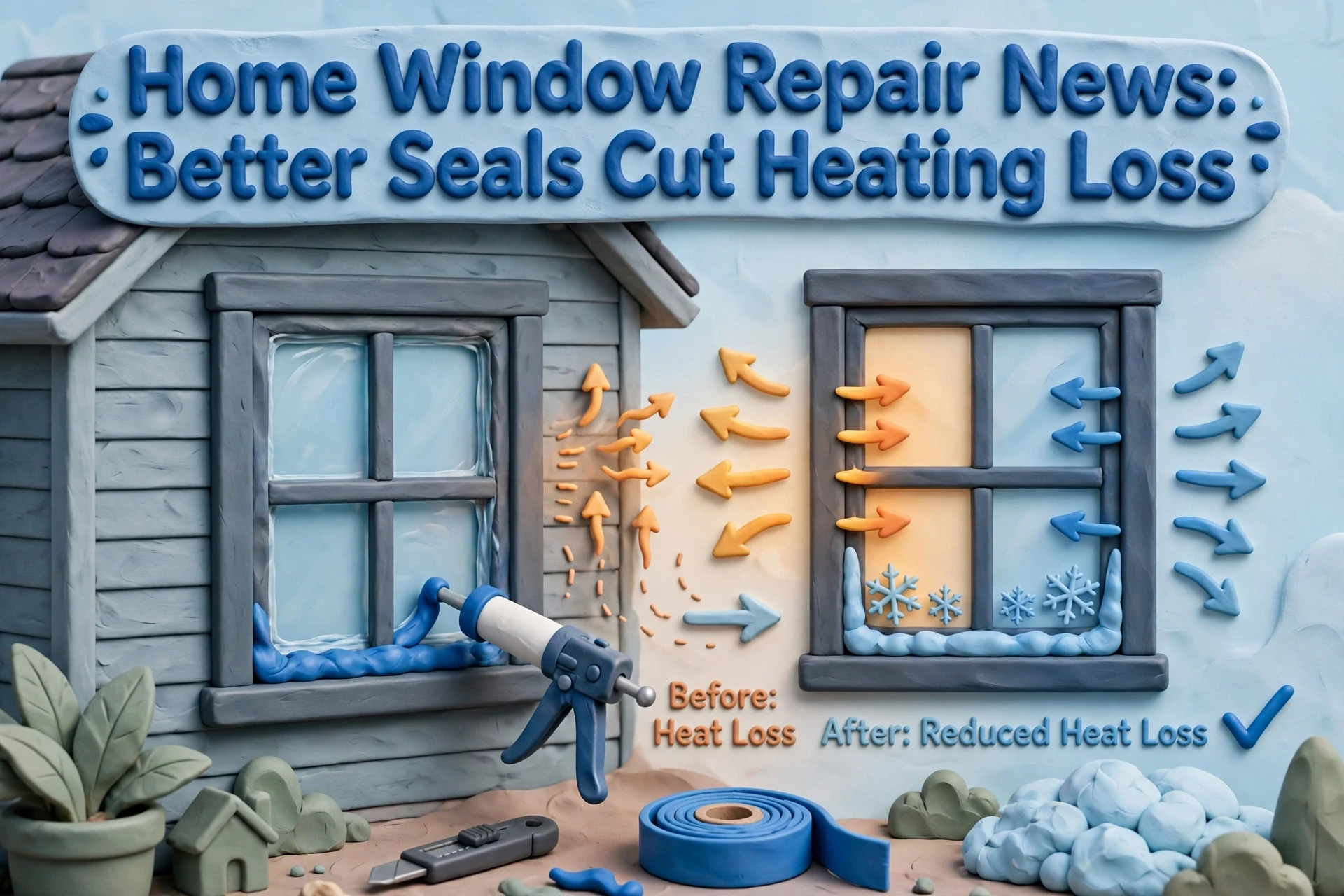
Quick Summary: Failed window seals are a major source of heating loss, with windows driving about 48% of a home’s heat transfer despite covering only 7% of its surface. The right fix depends on the symptom: fog between panes means a failed insulated glass unit needing replacement, while drafts at sash edges or the frame call for weatherstripping or caulking. Sealing leaks can cut heating and cooling bills by 10% to 20%, often paying for itself within a year. Cox Glass, LLC, with 60+ years of local experience, handles these repairs for Oroville and Chico homes.
A September 2026 Marketplace report on rising utility bills named airtight windows a key part of any high-efficiency building strategy. If your Oroville or Chico home has a cold draft or fog between panes, the real question is narrower: which seal failed, and what window seal fix actually works?
A draft, a stuck sash, and fogged glass can look identical, but each points to a different component. Guessing often means wasted money. This article separates weatherstripping, frame leaks, and failed insulated glass units – and shows when to call Cox Glass, LLC, with 60+ years of local experience.
Start With the Window Symptom, Not the Caulk Gun
A draft does not always mean bad caulk. Grabbing the caulk gun first can seal the wrong leak and waste a weekend.
Three places a window can lose its seal
The leak usually starts in one of three spots:
| Symptom | Likely Failure | Fix Type |
|---|---|---|
| Fog between panes | Failed insulated glass seal | Window seal fix (glass unit) |
| Draft at sash edges | Worn weatherstripping | Weatherstrip replacement |
| Draft at the frame | Cracked caulk or gaps | Caulking, then seal check |
Fog inside the glass means the pane seal failed, and caulking the frame will not touch it, per DOE window retrofit guidance.
A quick check homeowners can make
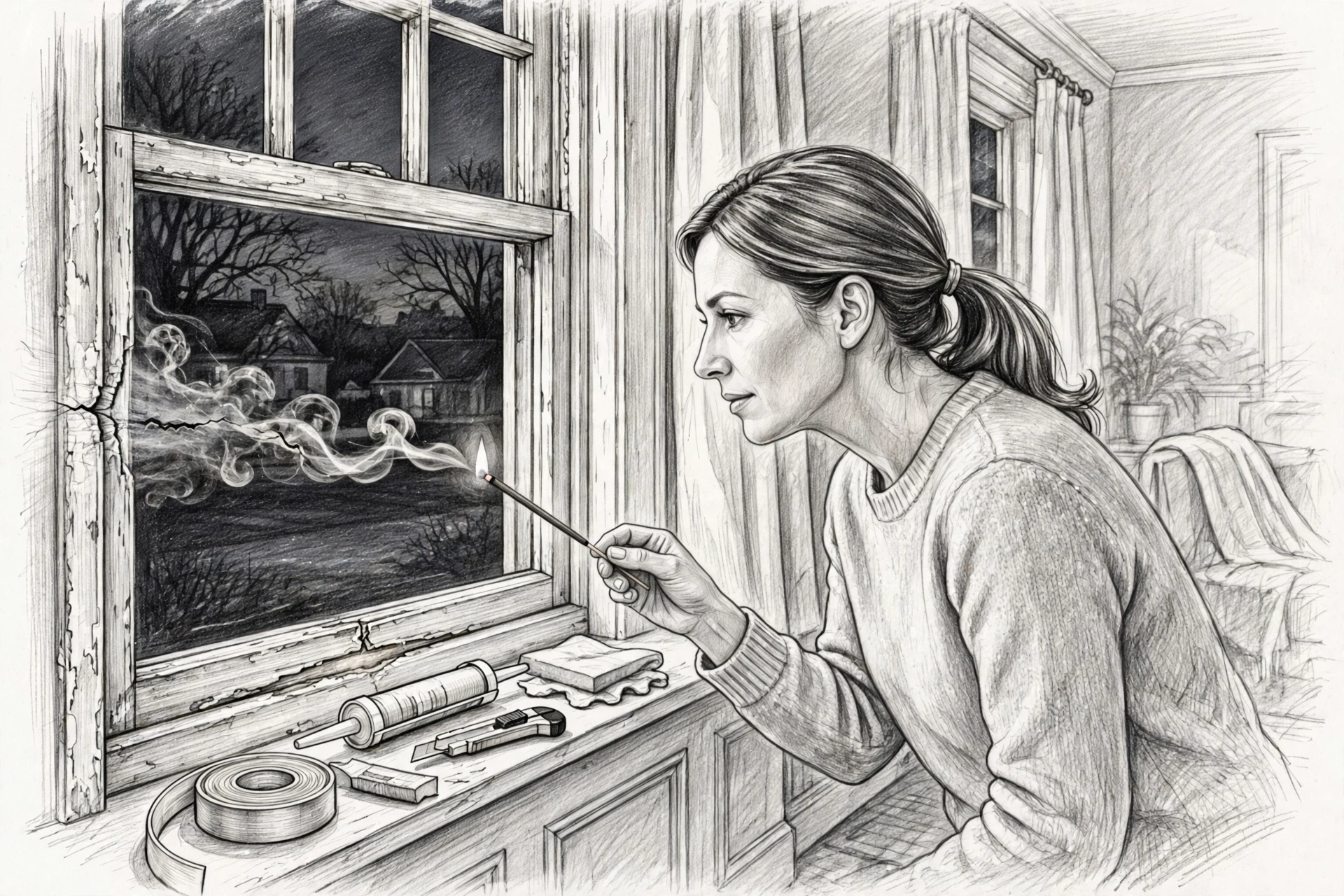
On a windy Oroville or Chico morning, hold a lit incense stick near the sash. Moving smoke shows an air leak. Then wipe the glass: haze you cannot clean off sits between the panes, which points to a failed seal needing a proper window seal fix. That is where Cox Glass starts.
Also Read: Residential Glass Repair vs Replacement: Which Is Better?
Match the Repair to the Failed Seal
The right fix depends on which seal gave up. Drafts and fog come from different parts of the window, and each calls for a different repair.
Drafts at the sash or frame
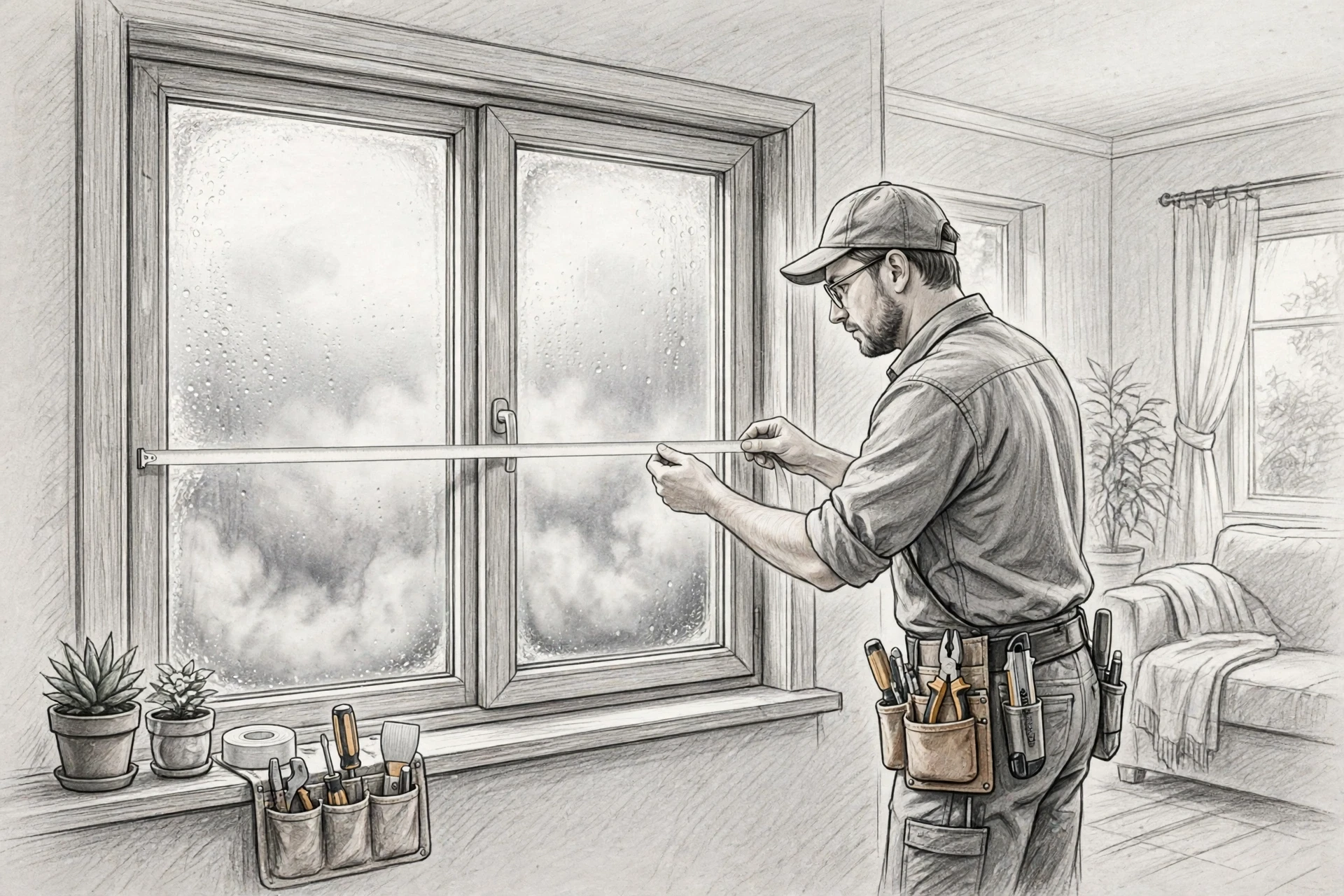
Feel air moving along the edges of a closed window? That is a perimeter problem, not a glass problem. ENERGY STAR lists drafts around closed windows and visible gaps at the trim as classic air-leak signs. The fix is usually cheap: replace worn weatherstripping on the sash or re-caulk gaps where the frame meets the wall. No need to replace the window.
Fog trapped between panes
If the haze sits between the glass and will not wipe off either side, the insulated glass unit seal has failed. Caulk does nothing here. The standard repair is replacing just the glass unit inside your existing frame, which Cox Glass handles regularly for Oroville and Chico homes.
Also Read: Window Replacement Trends: Energy Savings in 2026
Why Better Seals Matter for Heating Season
Cold nights in Oroville and Chico make window seals easy to judge. When the seal around a sash or a failed insulated unit wears out, warm air escapes and cold air slips in. Your furnace runs longer, and your bill climbs.
The numbers back this up. The Department of Energy says air sealing is one of the cheapest ways to cut heating and cooling costs, often paying for itself in a year or less through caulk and weatherstripping. Sealing leaks can trim 10% to 20% off heating and cooling bills, and leaky older homes save even more.
Better seals mean fewer drafts, steadier rooms, and a heating system that works less hard all winter.
What the Latest Window-Efficiency Coverage Shows
Recent federal research keeps pointing at the same thing: glass is a weak spot. A DOE/PNNL report found windows cover about 7% of a home’s surface but drive roughly 48% of its heat transfer. The DOE also notes ENERGY STAR windows save about $2 per square foot over a lifetime. For Oroville and Chico homeowners, the message is simple: fixing failed seals costs less than full replacement.

Noticed a draft or fogged panes this winter? Cox Glass, LLC fixes failed seals and stuck sashes for Oroville and Chico homes. Call today or visit our site for a free estimate.
Frequently Asked Questions
Q1: Who repairs stuck or cracked windows?
Cox Glass, LLC in Oroville and Chico fixes stuck sashes, cracked panes, and failed seals. Call for a quick assessment.
Q2: Can foggy panes be fixed without full replacement?
Often yes. A failed seal can sometimes be repaired, though severe fogging may need a new insulated unit.
Q3: Do failed window seals raise heating bills?
Yes. Leaky seals let warm air escape, so your heater runs longer. Repairing them cuts drafts and waste.
Conclusion
Failed window seals are easy to miss but costly to ignore. Since windows can drive nearly half of a home’s envelope heat loss, fixing fogged panes and worn weatherstripping helps Oroville and Chico homeowners cut drafts, protect comfort, and trim heating energy.



Recent Comments