
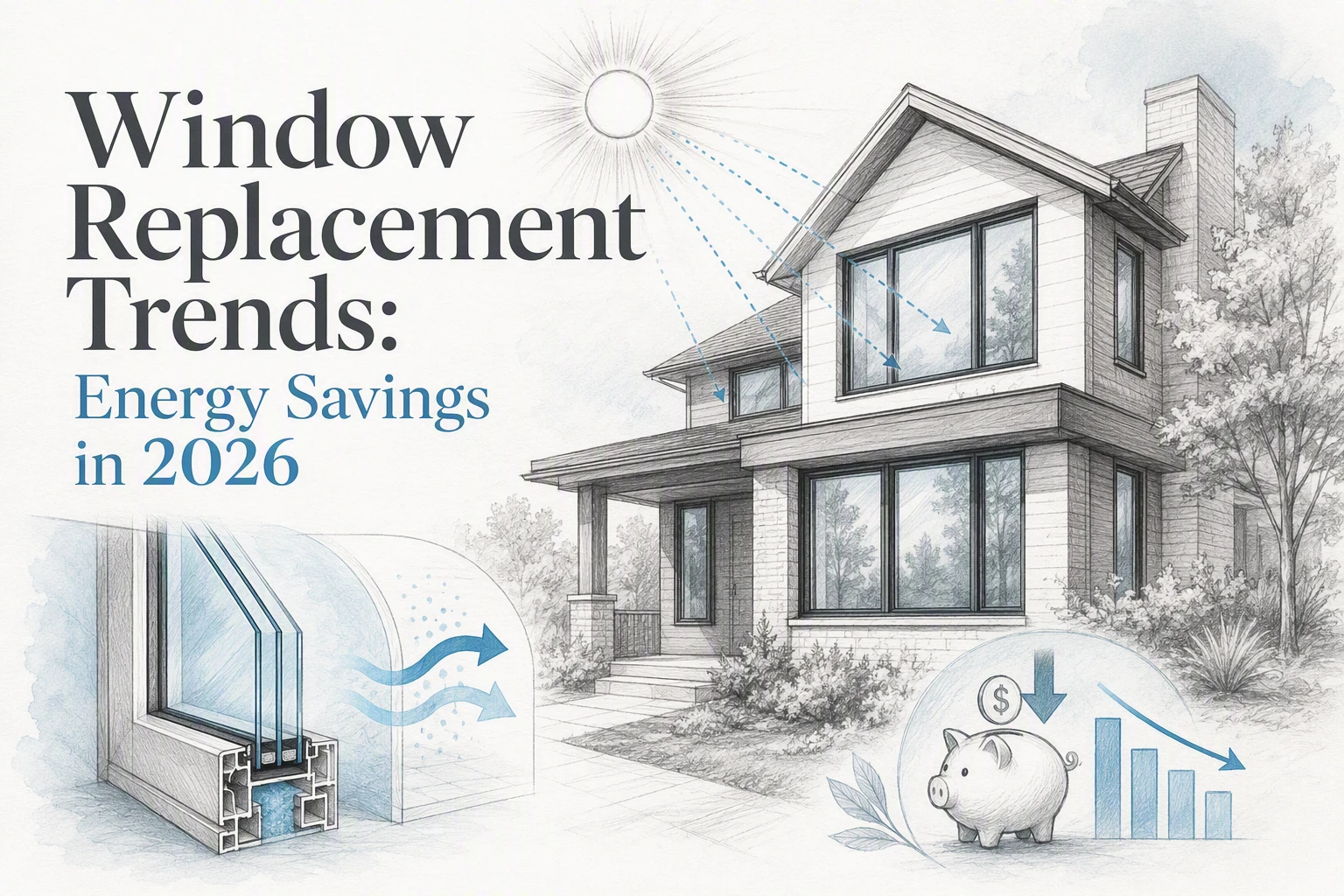
Quick Summary: In 2026, energy-efficient windows like thin-triple glass and vacuum-insulated units are gaining popularity for cutting energy costs. Buyers should look for ENERGY STAR Version 7 labels and climate-specific features like low U-factor or SHGC. High-performance glazing is increasingly favored due to stricter codes and incentives, making verified efficiency and proper installation key for better comfort and savings.
In 2026, energy efficient windows are changing fast. U.S. buyers now see thinner triple-pane units, early vacuum-insulated glass, and stricter Energy Star Version 7 products. Berkeley Lab found thin-triple energy efficient windows can cut energy costs, and Fast Company flagged strong insulation gains from vacuum designs. This matters if utility bills keep climbing. We track verified standards, market news, and real quote checks so you can spot energy efficient windows that truly perform.
Which replacement window technologies are delivering the biggest 2026 energy savings?
Two technologies lead the 2026 pack: thin-triple glass for mainstream upgrades, and vacuum-insulated glass for premium builds. If you want the broader market view first, link this section back to the main pillar on Window Replacement Trends: Energy Savings in 2026.
Thin-triple glass is moving from niche to scale. DOE says thin-glass triple-pane and vacuum insulating glazing are the key next-step window technologies for mass-market adoption according to the U.S. Department of Energy. Berkeley Lab also reports new U.S. production capacity, which matters because scale usually lowers price and wait times as Berkeley Lab noted in 2025.
Vacuum-insulated glass is now the premium benchmark. It uses a sealed vacuum gap to cut heat transfer harder than standard double-pane units. In plain terms, you get very high insulation without the bulk of old-style heavy triples.
| Technology | Best fit in 2026 | Main trade-off |
|---|---|---|
| Thin-triple glass | Most home replacements | Higher cost than standard double-pane |
| Vacuum-insulated glass | Premium energy projects | Highest upfront price |
Tip: Ask for NFRC labels, U-factor, and climate-zone match. ENERGY STAR says certified windows can cut bills by up to 13% on average when replacing single-pane units.
Also Read: Blog | Cox Glass, LLC | Your Oroville Glass & Window Experts
What Energy Star Version 7 means for replacement buyers in 2026
Version 7 is the current ENERGY STAR window standard, with criteria in effect since October 23, 2023, so any 2026 quote should clearly show products that meet ENERGY STAR Version 7. That matters because the label is not just marketing. ENERGY STAR says certified products are independently tested and verified through NFRC ratings.
When you compare bids, ask for:
- The exact ENERGY STAR climate zone
- The NFRC U-factor and SHGC
- Proof the quoted unit is Version 7 compliant
If a quote says “energy efficient” but skips NFRC numbers, slow down.
The best window is still climate-specific. ENERGY STAR’s Climate Zone Finder helps match products to your county, not just your state. In colder zones, lower U-factor usually matters most. In hotter zones, lower SHGC often matters more.
| Climate priority | What to favor |
|---|---|
| Colder areas | Better insulation, lower U-factor |
| Hot sunny areas | More solar heat blocking, lower SHGC |
Also Read: ADAS Calibration Oroville: Static vs. Dynamic Guide
Why 2026 projects are increasingly choosing high-performance glazing
Codes and incentives are pushing buyers toward better glass
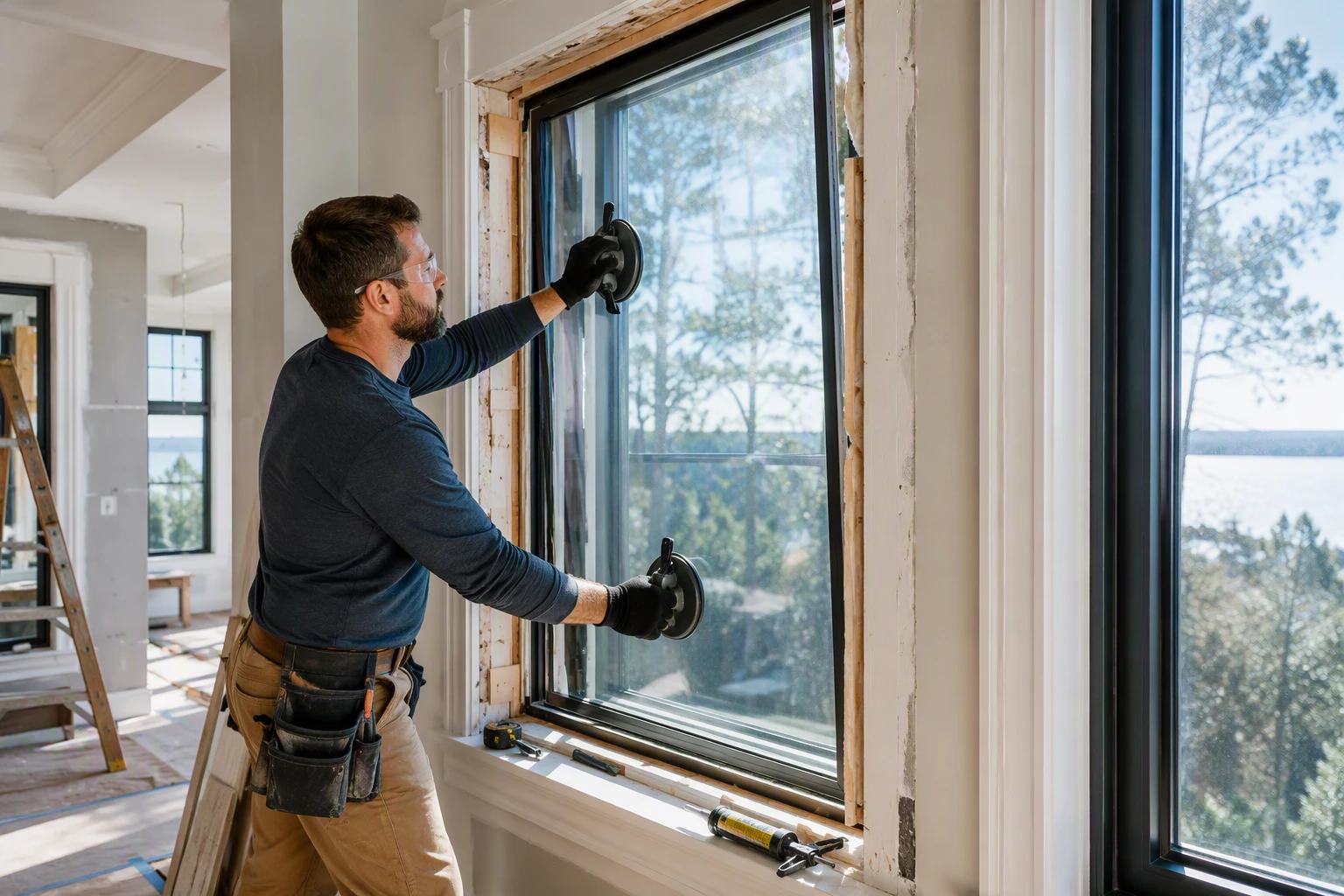
High-performance glazing is getting picked earlier in 2026 because buyers want fewer code headaches. DOE says the DOE’s determination says the 2024 IECC will improve residential energy efficiency, and many states are now reviewing or updating codes around that path. The federal Energy Efficient Home Improvement Credit is no longer available for windows placed in service after December 31, 2025. For qualifying windows placed in service by that date, the IRS guidance describes a $600 cap and ENERGY STAR Most Efficient criteria. See the IRS credit guidance.
Replacement demand is softer, so performance is a selling point
When the market slows, buyers compare harder. Basic replacement glass is easier to delay. Better glazing is not. It gives a clear reason to act:
- lower heat gain
- better comfort near the glass
- less HVAC strain
- stronger resale appeal
In a softer market, measurable performance helps close projects that might otherwise stall.
For local firms like Cox Glass, LLC, that means quotes built around verified efficiency, not just price. Owners want proof the upgrade will matter on bills, comfort, and future compliance.

Cut energy loss now with Cox Glass, LLC. Get expert help choosing efficient replacement windows for your home, business, or vehicle. Request a quote today.
Frequently Asked Questions
Q1: Best energy-efficient window replacement near me?
Pick a local installer who shows NFRC labels, explains U-factor and SHGC, and offers climate-fit options. In Oroville and Chico, Cox Glass, LLC stands out for custom residential and commercial glass work.
Q2: Which window feature saves the most energy?
For most buildings, low-E glass plus good frame quality and tight installation matter most. A great window installed poorly can still leak air and waste money.
Q3: Are triple-pane windows worth it in California?
Sometimes. Triple-pane helps most in very hot, noisy, or exposed spots. Many California owners get better value from high-quality double-pane low-E windows with strong seals and proper sizing.
Conclusion
Window replacement in 2026 is about climate-fit performance, not hype. Pick windows by U-factor, SHGC, and installation quality. ENERGY STAR notes better comfort and less waste, while the IRS shows the old federal window credit applied only through 2025.


Recent Comments