

Got a cracked or chipped car window? It’s a bummer, but thankfully, getting it fixed is often straightforward. This guide will walk you through the essentials of auto window repair, helping you understand what can be fixed, when it’s time for a replacement, and how to take care of things yourself.
Not all window damage is created equal. Some chips and cracks are minor inconveniences, while others can spell the end for your existing glass. Knowing the difference is key to deciding on the best course of action.
Different Types of Auto Glass Damage
- Chips: These are usually small, localized impacts, often looking like a tiny star, bullseye, or a combination of both. They are typically shallow and haven’t penetrated the entire thickness of the glass.
- Cracks: These are more linear breaks. They can originate from a chip or develop over time due to stress or temperature changes. Cracks can vary in length and depth.
- Slight Scratches: Superficial scratches might not impact the structural integrity of the glass but can be annoying and distracting.
The Limits of Repair
- Chip Size: Generally, chips up to the size of a quarter are considered repairable. Anything larger starts to compromise the glass’s strength.
- Crack Length: Cracks that are longer than a dollar bill are usually too extensive to be safely repaired.
- Location of Damage: If the damage is right at the edge of the window, or directly in the driver’s line of sight, it might necessitate replacement for safety reasons.
- Depth of Damage: If the impact has gone through both layers of your laminate glass (your windshield is made of two layers of glass with a plastic interlayer), it probably can’t be repaired.
If you’re considering enhancing your home’s windows, you might also want to explore the importance of maintaining your existing ones. A related article that discusses various window options for bedrooms and kids’ rooms can provide valuable insights into how to choose the right windows for your space. You can read more about it here: Best Window Options for Bedrooms and Kids’ Rooms. This information can be beneficial when thinking about window repair and replacement.
DIY Fixes: When to Grab a Kit
For minor chips, a DIY repair kit can be a cost-effective solution. These kits are designed to inject a special resin into the damaged area, effectively bonding the glass back together.
How DIY Repair Kits Work
- Resin Injection: The kit typically comes with an applicator that creates a seal over the chip. You then inject a clear resin into the damaged area.
- Curing the Resin: The resin needs to cure, usually with exposure to sunlight or a UV light provided in some kits. Once cured, it hardens and restores the structural integrity of the glass.
- Smoothing and Cleaning: After curing, you’ll often use a razor blade or polishing tool to smooth out the repaired area and clean away any excess resin.
What You’ll Need for a DIY Repair
- Auto Glass Repair Kit: Available at most auto parts stores.
- Clean Cloths: For cleaning the area before and after.
- Razor Blade or Scraper: For removing excess cured resin.
- Rubbing Alcohol: To ensure the surface is free of debris.
- Gloves: To keep your hands clean.
When DIY Might Not Be Enough
If you’re unsure about the repair or the damage is borderline, it’s always best to consult a professional. A botched DIY repair can sometimes make the problem worse or create a more noticeable blemish.
Professional Repair: When to Call the Experts
For more significant damage, or if you prefer peace of mind, professional auto glass repair is the way to go. Professionals have specialized tools and techniques to effectively fix a wide range of damage.
The Professional Repair Process
- Inspection: A technician will first examine the damage to determine if it’s repairable and what method will be most effective.
- Cleaning: The area around the damaged spot is thoroughly cleaned to ensure proper adhesion of the repair materials.
- Drilling (if necessary): For some chips, a small hole might be drilled at the tip of the crack to prevent it from spreading further.
- Resin Injection: Similar to DIY kits, a specialized resin is injected under pressure to fill the damaged area. Professionals use advanced equipment for precise injection.
- Curing: The resin is then cured using UV light, which hardens it and restores clarity.
- Polishing: The repaired area is then polished to a smooth finish, minimizing the visual impact of the repair.
Types of Professional Services
- Chip Repair: This is the most common service for minor damage. It’s usually quick and affordable.
- Crack Repair: Professionals can often repair cracks that are too long for DIY kits, provided they haven’t compromised the glass significantly.
- Windshield Replacement: If the damage is too extensive for repair, a full windshield replacement is necessary. This is a more involved process.
Benefits of Professional Repair
- Durability: Professional repairs are typically more durable and less likely to fail over time.
- Clarity: Skilled technicians can achieve a much clearer finish than most DIY kits.
- Safety: They ensure the structural integrity of your auto glass is restored, maintaining safety standards.
- Warranty: Many professional services offer a warranty on their work.
Windshield Replacement: The Final Resort
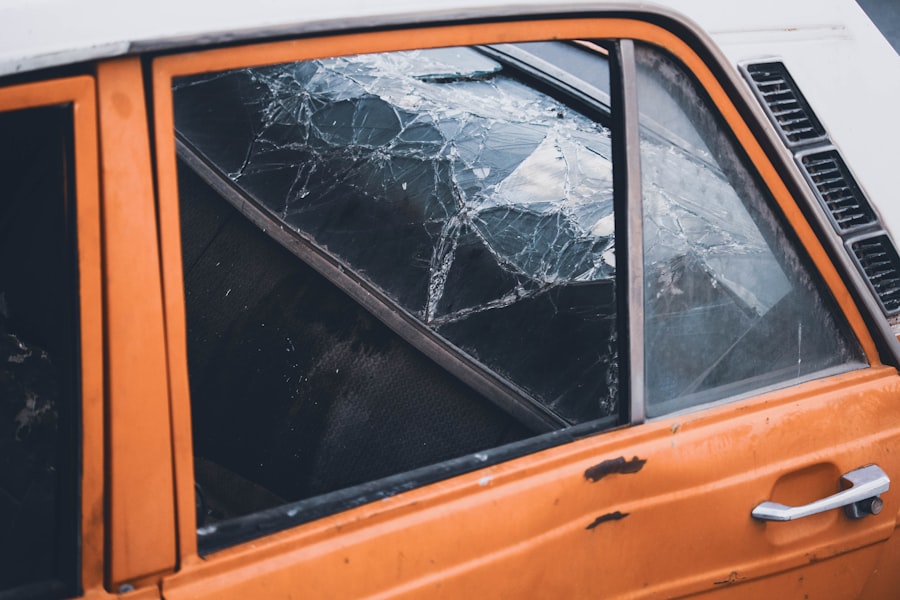
Sometimes, the damage to your auto glass is simply too severe to repair. In these cases, replacement is the only safe and effective option.
Signs Your Windshield Needs Replacement
- Extensive Cracking: Cracks longer than 12 inches are usually a sign that replacement is needed.
- Multiple Chips or Cracks: If your windshield has several points of damage, the glass’s overall integrity is compromised.
- Damage in the Driver’s Line of Sight: Any damage that obstructs your view while driving, even if outwardly small, needs to be addressed with a replacement.
- Damage Touching an Edge: If a chip or crack reaches the edge of the windshield, it’s much more prone to spreading and is often beyond repair.
- Impacts That Penetrate Both Glass Layers: If the damage looks like it went all the way through, it absolutely needs replacement.
The Windshield Replacement Process
- Removal of Old Windshield: Technicians carefully cut away the old windshield, ensuring not to damage the vehicle’s frame.
- Preparation of Frame: The vehicle’s frame is cleaned and a primer is applied to ensure proper adhesion of the new windshield.
- Application of Adhesive: A special automotive-grade urethane adhesive is applied. This is crucial for both sealing and structural support.
- Installation of New Windshield: The new windshield is carefully placed and secured in the frame.
- Curing Time: The vehicle needs to remain stationary for a specified amount of time to allow the adhesive to cure properly. This is often referred to as “drive-away time.”
What to Expect After Replacement
- ADAS Recalibration: Modern vehicles with advanced driver-assistance systems (ADAS) often have cameras and sensors mounted on the windshield. After replacement, these systems typically need to be recalibrated to function correctly.
- Warranty: Reputable installers will offer a warranty on both the glass and the installation.
When considering auto window repair, it’s essential to understand the materials used in window construction, as they can significantly impact the durability and clarity of the glass. For a deeper insight into this topic, you can explore an informative article on choosing the right material for your window, which discusses various options and their benefits. This knowledge can help you make informed decisions when addressing any issues with your vehicle’s windows.
Maintaining Your Auto Glass: Preventative Measures
| Metrics | Data |
|---|---|
| Number of auto window repair shops | 2000 |
| Average cost of auto window repair | 300 |
| Common types of auto window damage | Cracks, chips, scratches |
| Time taken for auto window repair | 1-2 hours |
Taking good care of your auto glass can help prevent minor issues from becoming major problems, and prolong the life of both repaired and new glass.
Simple Steps to Protect Your Glass
- Address Chips and Small Cracks Immediately: Don’t wait. The sooner you get minor damage addressed, the higher the chance it can be repaired rather than replaced. Temperature fluctuations, vibrations from driving, and even car washes can cause small issues to worsen rapidly.
- Keep it Clean: Regularly wash your car, including the windows. Use a good quality glass cleaner and a soft, lint-free cloth. This helps you spot potential problems early and prevents dirt from dulling the glass.
- Be Mindful of Ice and Snow: When de-icing your windshield, avoid using hot water, as the sudden temperature change can cause existing chips or cracks to spread. Use an ice scraper and de-icing spray designed for automotive use.
- Avoid Extreme Temperature Shocks: Try not to blast hot air on a very cold windshield or cold air on a very hot windshield, as this can create stress on the glass.
- Park Wisely: If possible, avoid parking under trees that might drop sap or debris, or in areas prone to falling objects.
- Check Wiper Blades: Worn-out wiper blades can cause scratches on your windshield over time. Replace them regularly.
- Don’t Slam Doors: While seemingly unrelated, the vibrations caused by slamming car doors can sometimes exacerbate existing minor damage in the glass.
Understanding the Interlayer
Your windshield is laminated safety glass. This means it consists of two layers of glass with a layer of plastic film (polyvinyl butyral or PVB) in between. This interlayer is what holds the glass together if it breaks, preventing dangerous shards from scattering. When repairs are done, this interlayer is also bonded.
When to Inspect Your Glass
Make it a habit to give your auto glass a quick once-over every few weeks, and especially after encountering rough roads or potentially damaging conditions. Looking for new chips, cracks, or even minor pitting can save you a lot of hassle down the line.
Recent Comments