
Your car’s windows are more than just a barrier against the weather. They’re crucial for safety, structural integrity, and a clear view of the road. When one gets damaged, whether it’s a small chip or a significant crack, knowing what to do next is essential. This guide will walk you through the practical steps of assessing damage, understanding repair options, and making informed decisions to get your auto glass back in shape.
Before diving into repairs, it’s helpful to know what you’re dealing with. Not all damage is created equal, and understanding the nuances can save you time and money.
Types of Damage
Auto glass can sustain various forms of damage, each with its own characteristics and repair considerations.
Chips
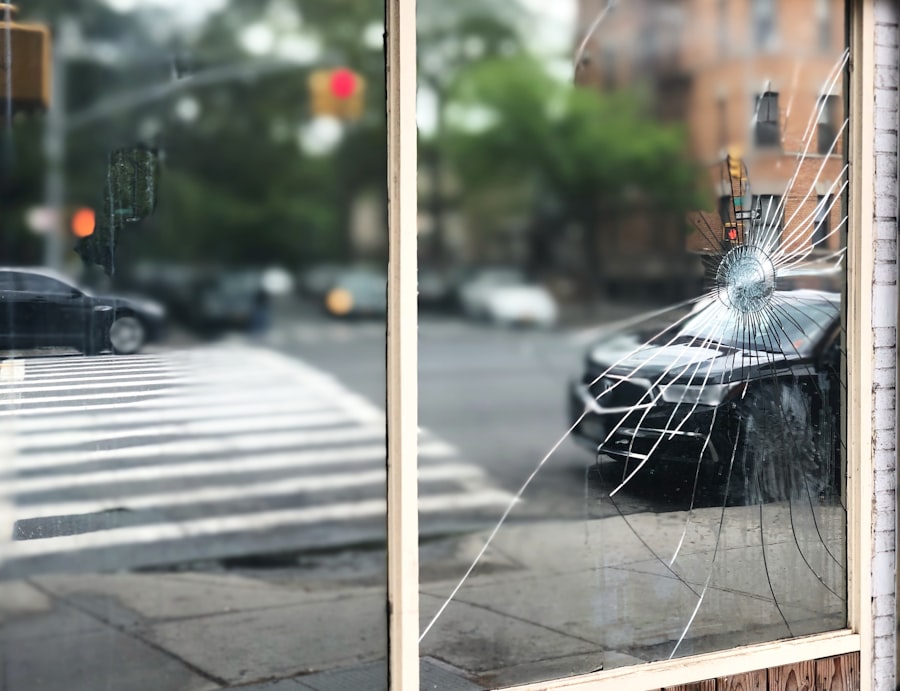
Chips are small impact points, often caused by stones or debris hitting the glass. They typically appear as star breaks (a central impact point with small cracks radiating outwards), bullseyes (a circular impact point), or combination breaks. A chip is generally considered repairable if it’s smaller than a US dollar bill and not directly in the driver’s line of sight. Size and location are key factors here. If a chip is in the driver’s immediate field of vision, even a small one can be distracting and potentially expand, making repair more urgent. The deeper the chip, the more challenging the repair can be, especially if it has penetrated multiple layers of laminated glass.
Cracks
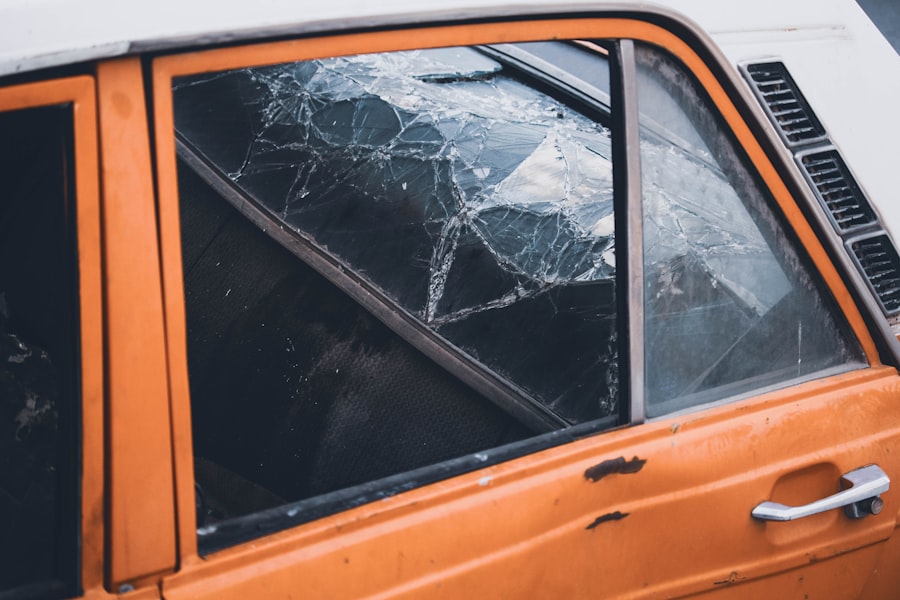
Cracks are more extensive linear breaks in the glass. They can stem from existing chips, thermal stress (extreme temperature changes), or impact. Cracks are generally more concerning than chips because they can spread quickly. A crack is typically repairable if it’s shorter than 6 inches and not at the very edge of the windshield. However, this is a guideline, not a hard rule. Many technicians will consider repairing longer cracks if they are not complex or near the edge. Edge cracks are particularly problematic because they compromise the structural integrity of the windshield’s bond to the car frame.
Scratches
Scratches are superficial marks on the glass surface. While they might be annoying, they generally don’t compromise the structural integrity of the glass. Minor scratches can often be buffed out using specialized polishing compounds. Deeper scratches might require more advanced techniques or, in some cases, replacement, particularly if they affect visibility. It’s important to distinguish between a surface scratch and a crack that might appear like a scratch initially. Running your fingernail over the damage can often help; if your nail catches, it’s likely a crack.
Why Damage Spreads
Understanding why minor damage can turn into a larger problem is crucial for timely repair. Several factors contribute to the spread of auto glass damage.
Temperature Fluctuations
Rapid changes in temperature, such as turning on the defroster in winter or parking a hot car in a cool garage, cause the glass to expand and contract. This stress can exacerbate existing chips and cracks, causing them to lengthen and spiderweb across the windshield. The internal stresses within the glass are constantly at play, and temperature shifts can tip the balance, leading to propagation.
Vibrations and Impact
Driving on rough roads, hitting potholes, or experiencing minor bumps can cause vibrations that stress the auto glass. These vibrations can put pressure on existing damage points, encouraging chips to crack and cracks to spread. Even slamming a car door can create enough internal pressure to worsen a small chip.
Neglect
Simply ignoring a small chip or crack is the biggest reason for damage spreading. The longer you wait, the greater the chance that environmental factors or vibrations will cause the original damage to worsen. What might have been a simple, inexpensive repair can quickly become a full windshield replacement if left unaddressed. Regular inspections of your windshield, especially after road trips or adverse weather, can help catch minor damage early.
When considering auto glass window repair, it’s essential to understand the materials used in window construction and their impact on durability and safety. For a deeper insight into this topic, you can refer to a related article that discusses how to choose the right material for your windows. This resource can provide valuable information that complements your knowledge about auto glass repairs. Check it out here: Choosing the Right Material for Your Window.
When to Repair vs. Replace
Deciding whether to repair or replace your auto glass is an important decision that impacts safety and cost. Factors such as the type, size, and location of the damage, as well as applicable regulations, play a significant role.
Criteria for Repair
Not all damage necessitates a full replacement. Repairing a windshield, when possible, is often the more cost-effective and environmentally friendly option.
Size and Depth
As a general rule, chips smaller than a US dollar bill and cracks shorter than 6 inches are typically candidates for repair. The depth of the damage is also important; if the inner layer of laminated glass is compromised, repair might be less effective or impossible. The repair process involves injecting a resin into the damaged area, which then hardens, filling the void and restoring the structural integrity and optical clarity of the glass. This process works best when the damage hasn’t fully penetrated a sensitive layer or become too complex.
Location of Damage
The location of the damage significantly influences whether a repair is feasible. Damage that is directly in the driver’s line of sight is often recommended for replacement, even if it’s small. This is because even a perfectly repaired chip can leave a slight distortion that could be distracting or impair vision. Damage located close to the edge of the windshield is also problematic. The edges are where the glass is bonded to the car’s frame, providing structural support. Cracks or chips near the edge can compromise this bond and make the windshield less effective in a collision or rollover event. Many auto glass shops will advise against repairing damage within two inches of the windshield’s edge.
Type of Damage
Simple chips (star breaks, bullseyes, combination breaks, small cracks) are the most straightforward to repair. More complex damage, multiple chips in close proximity, or very deep cracks might not be good candidates for repair. The success rate of a repair is highest with clean, isolated damage that hasn’t accumulated dirt or moisture over time, which can interfere with the resin’s ability to bond properly.
When Replacement is Necessary
In certain scenarios, replacing the auto glass is the only safe and practical solution. This is not just a matter of aesthetics but also paramount for vehicle safety.
Large or Spreading Cracks
If a crack is longer than 6 inches, or if it is rapidly spreading, a repair will likely not be durable or safe. Large cracks significantly compromise the structural integrity of the windshield, which is a critical component of your vehicle’s safety system. The windshield provides up to 45% of the vehicle’s structural integrity in a frontal collision and prevents the roof from crushing in a rollover accident. A severely compromised windshield cannot perform these functions effectively.
Damage in Driver’s Line of Sight
Any damage, regardless of size, that is directly in the driver’s primary line of sight is usually recommended for replacement. Even a repaired area can cause minor optical distortion or glare, which can be hazardously distracting for the driver. Safety regulations in many regions also mandate a clear line of sight, making replacement a necessity to pass inspections. The general area considered a “line of sight” is roughly equivalent to the area swept by your wipers, particularly the central portion directly in front of the driver.
Edge Damage
Damage that extends to or originates from the very edge of the windshield (typically within a few inches) often requires replacement. As mentioned, the edge is crucial for the windshield’s structural bond to the vehicle. Damage here can weaken the entire assembly, potentially leading to the windshield detaching in an accident or severe weather event. This is a significant safety concern.
Multiple Chips/Complex Damage
A windshield with multiple chips or a complex network of cracks might not be a good candidate for repair. Attempting to repair numerous points of damage can lead to a patchwork solution that doesn’t fully restore the windshield’s strength or clarity. In these cases, a full replacement is often the safer and more durable option. It’s also often more cost-effective in the long run than multiple repair attempts.
Contaminated Damage
If a chip or crack has been left untreated for a long time, it can accumulate dirt, moisture, or even cleaning chemicals. These contaminants can prevent the repair resin from properly bonding with the glass, significantly reducing the effectiveness and durability of the repair. While some technicians can attempt to clean out contaminated damage, there’s a higher risk of the repair failing compared to fresh damage.
The Repair Process Explained
Understanding what happens during an auto glass repair can demystify the process and help you appreciate its effectiveness. It’s a relatively quick and precise procedure.
Preparing the Area
The first step in any glass repair is a thorough preparation of the damaged area. This ensures a clean and effective repair.
Cleaning the Damage
The technician will meticulously clean the chip or crack to remove any dirt, debris, or moisture that might be embedded within the damage. This often involves using specialized tools and cleaning solutions. A clean surface is paramount for the repair resin to adhere properly to the glass and create a strong, lasting bond. Any contaminants left behind can compromise the clarity of the repair and its long-term durability.
Removing Air and Moisture
Air and moisture trapped within the chip or crack need to be extracted before the resin is applied. Technicians use a vacuum or injector tool to create a low-pressure environment, pulling out the air and any residual moisture. This is a critical step because air bubbles and water can prevent the resin from fully penetrating the damaged area and hardening properly.
Injecting the Resin
Once the area is clean and dry, the specialized repair resin is injected. This resin is formulated to match the optical properties of glass.
Applying Pressure
A special injector tool is used to apply UV-curable resin into the damaged area under pressure. This forces the resin into every tiny fissure and void within the chip or crack. The pressure ensures that the resin fully saturates the damaged glass, displacing any remaining air and forming a solid, cohesive bond. The amount of pressure used is carefully controlled to prevent further damage.
Curing the Resin
After the resin has filled the damage, it needs to harden. This is achieved using an ultraviolet (UV) light. The UV light quickly cures the resin, transforming it from a liquid to a solid. This curing process typically takes only a few minutes. Once cured, the resin becomes a permanent part of the windshield, restoring its strength and typically 75-95% of its original clarity.
Finishing Touches
The final steps ensure a smooth and visually appealing repair.
Scraping Excess Resin
Any excess resin that has accumulated on the surface of the windshield is carefully scraped off using a razor blade. The goal is to leave a smooth, flush surface that doesn’t interfere with the wiper blades or vision. This step requires a delicate touch to avoid scratching the surrounding undamaged glass.
Polishing the Area
Finally, the repaired area is often polished with a specialized compound. This helps to buff out any minor imperfections, improve optical clarity, and make the repair as inconspicuous as possible. While a repair won’t make the damage completely invisible, a good repair will significantly reduce its prominence and prevent it from spreading.
DIY vs. Professional Repair
When faced with auto glass damage, a common question arises: should you tackle it yourself or call in the professionals? Both options have their pros and cons.
The Appeal of DIY Kits
DIY windshield repair kits are readily available and can seem like a cost-effective solution for small chips.
Cost Savings
One of the primary attractions of DIY kits is the potential cost savings. These kits are significantly cheaper than professional repairs, often costing under $20. For minor damage, this can seem like a quick and budget-friendly fix. However, the initial savings might not always translate to long-term value if the repair fails.
Convenience
Being able to repair a chip yourself, on your own schedule, offers unparalleled convenience. You don’t have to make an appointment, drive to a shop, or wait for the repair to be completed. This can be especially appealing for those with busy schedules or limited access to professional services. The process itself typically takes less than an hour.
Limitations of DIY
Despite the apparent advantages, DIY kits come with significant limitations and risks.
Effectiveness and Durability
DIY kits are often less effective than professional repairs. They typically use a simpler resin and less powerful application methods compared to what professionals employ. This can result in a weaker bond, reduced clarity, and a higher chance of the repair failing or the damage spreading further down the line. A professional repair uses pressure injection and high-quality resins specifically designed for auto glass.
Risk of Further Damage
Improper application of a DIY kit can actually worsen the damage. Applying too much pressure, failing to properly clean the area, or using an incompatible resin can lead to the chip expanding or turning into a crack. Once a DIY repair is botched, it can be significantly more challenging, and sometimes impossible, for a professional to fix it properly, often necessitating a full windshield replacement.
Lack of Warranty
Professional auto glass repairs typically come with a warranty, guaranteeing the quality of the work and the prevention of further spreading. DIY repairs, naturally, offer no such assurance. If a DIY repair fails, you’re back to square one, often facing a more expensive professional repair or replacement.
Why Choose Professional Repair
Opting for a professional auto glass technician usually provides a more reliable and safer outcome.
Expertise and Specialized Tools
Professional technicians are trained and experienced in assessing damage and performing precise repairs. They use specialized tools, high-quality resins, and advanced techniques that are not available in DIY kits. Their expertise ensures that the repair is done correctly, maximizing clarity and structural integrity. They understand the nuances of different types of damage and the best approach for each.
Higher Quality Materials
Professional auto glass shops use industrial-grade resins that are superior in strength, clarity, and durability compared to those found in consumer kits. These resins are formulated to withstand extreme temperatures, UV exposure, and road vibrations, offering a lasting repair. The quality of the resin directly impacts the longevity and effectiveness of the repair.
Insurance Coverage
Many insurance policies cover windshield repairs with no deductible, meaning you might not pay anything out of pocket for a professional repair. Even if a deductible applies, the cost of a professional repair is often comparable to or only slightly more than a DIY attempt, but with significantly better results and peace of mind. Checking with your insurance provider is always recommended.
Warranty and Guarantees
Reputable auto glass repair shops typically offer a warranty on their work. This provides peace of mind, knowing that if the repair fails or the damage spreads, they will stand by their service, often offering to re-repair or apply the repair cost toward a replacement. This professional accountability is something DIY kits simply cannot offer.
Safety and Structural Integrity
The windshield is a critical safety component of your vehicle, contributing to structural rigidity and airbag deployment. A properly executed professional repair ensures that the windshield’s structural integrity is maintained, offering the same level of safety as an undamaged windshield. DIY repairs, if not done perfectly, can compromise this safety aspect.
When considering auto glass window repair, it’s essential to also think about the overall aesthetics of your vehicle, which can be influenced by various factors, including the trim around your doors. For insights on selecting the right trim for exterior doors, you can refer to this informative article that provides useful tips and guidance. Understanding how these elements work together can enhance both the functionality and appearance of your vehicle. Check out the article here: how to choose trim for exterior doors.
After the Repair
| Metrics | Data |
|---|---|
| Number of auto glass window repair shops | 2000 |
| Average cost of auto glass window repair | 300 |
| Common types of auto glass window damage | Cracks, chips, scratches |
| Time taken for auto glass window repair | 1-2 hours |
Once your auto glass is repaired, a few considerations can help ensure the longevity of the fix and maintain clarity.
Immediate Post-Repair Care
The first few hours and days after a repair are crucial for its successful curing and long-term durability.
Avoiding Car Washes
It’s generally recommended to avoid automatic car washes for at least 24-48 hours after a windshield repair. The high-pressure water jets and strong detergents used in these washes can put undue stress on the newly cured resin, potentially dislodging it or affecting its final bond. A gentle hand wash with a soft cloth is usually safe, but it’s best to confirm with your technician.
Limiting High-Pressure Sprays
Similar to car washes, try to avoid using high-pressure spray nozzles directly on the repaired area for a short period. This precaution helps the resin to fully harden and create a strong, lasting seal without external interference. The technician should provide specific guidance on how long to wait.
Temperature Considerations
Extreme temperature changes can still affect the resin as it fully cures. Try to avoid parking your car in direct, intense sunlight for prolonged periods immediately after a repair, especially if it was a larger chip. Similarly, avoid blasting the defroster or air conditioning directly onto the repaired spot for the first 24 hours. Allowing the repair to cure at a moderate, stable temperature is ideal.
Long-Term Maintenance
Once fully cured, a repaired windshield requires minimal special care, but general good habits can prolong its life.
Regular Cleaning
Keep your windshield clean using appropriate glass cleaners and soft cloths. This not only enhances visibility but also prevents abrasive particles from accumulating and potentially impacting the repaired area. Avoid harsh or abrasive cleaning tools that could scratch the glass or disturb the repair.
Monitoring for Changes
While a professional repair is designed to be permanent, it’s a good practice to occasionally check the repaired area. Look for any changes in clarity, new spidering, or signs of the repair failing. If you notice any issues, contact the repair shop immediately, especially if the repair came with a warranty. Catching a problem early can prevent further complications.
Proactive Prevention
To minimize future damage, practice proactive prevention. Maintain a safe following distance from other vehicles, particularly trucks that might kick up debris. Consider applying a good quality glass protectant to your windshield, which can create a slick surface that helps small objects deflect more easily.
If you’re considering auto glass window repair, you might also find it helpful to explore the best window options for bedrooms and kids’ rooms. Choosing the right windows can significantly enhance both safety and comfort in your home. For more insights on this topic, check out this informative article on window options that can complement your auto glass repair needs.
Insurance and Auto Glass Claims
Navigating insurance can sometimes be perplexing. Understanding your policy regarding auto glass can save you hassle and money.
Understanding Your Policy
Your auto insurance policy details what’s covered regarding glass damage. It’s not always straightforward, but knowing what to look for can clarify things.
Comprehensive Coverage
Most auto glass damage, whether repair or replacement, falls under the comprehensive portion of your auto insurance policy. Comprehensive coverage typically covers damage to your vehicle from events other than collisions, such as theft, vandalism, fire, weather, and animal impacts. This includes damage from rocks or road debris hitting your windshield. It is important to verify with your specific policy, as some older or very basic liability-only policies may not include comprehensive coverage.
Deductibles for Repair vs. Replacement
A key detail in many comprehensive policies is how deductibles apply to auto glass. Often, for a repair (fixing a chip or small crack), your deductible may be waived entirely, meaning you pay nothing out of pocket. For a full windshield replacement, however, your comprehensive deductible usually applies. This can range from $100 to $1000 or more. Because of this difference, insurers often encourage repair over replacement when possible, both to save money and to reduce policyholders’ out-of-pocket expenses.
“Full Glass” Coverage
Some insurance policies, especially in certain states or with specific providers, offer what’s known as “full glass” coverage or “zero deductible glass” coverage. With this addition, both repairs and replacements of auto glass are covered without any deductible. If you have this option, taking advantage of professional repair or replacement is often straightforward and free of charge to you. It’s worth calling your insurance agent to see if this is included in your policy or if it can be added.
Making a Claim
If you decide to file a claim, knowing the steps can make the process smoother.
Contact Your Insurer
The first step is to contact your insurance provider. You can typically do this through their claims department via phone or online. Be prepared to provide details about the damage, including when it occurred, how it happened, and its location, size, and type. Your insurer will ask if you prefer repair or replacement, based on their assessment guidelines and your policy.
Choosing a Repair Shop
Many insurance companies have preferred networks of auto glass shops. While you generally have the right to choose any shop you prefer, using a preferred shop can sometimes streamline the process, as they already have established billing and communication protocols with your insurer. Always confirm with your insurance provider whether a specific shop is in-network or if there are any restrictions.
Understanding the Process
Once you’ve filed the claim and chosen a shop, the shop will typically handle the rest of the communication and billing with your insurance company. They will get authorization for the work, perform the repair or replacement, and then bill your insurer directly for the covered amount. You will only be responsible for any applicable deductible at the time of service. Always confirm what your out-of-pocket cost, if any, will be before the work begins.

Recent Comments