
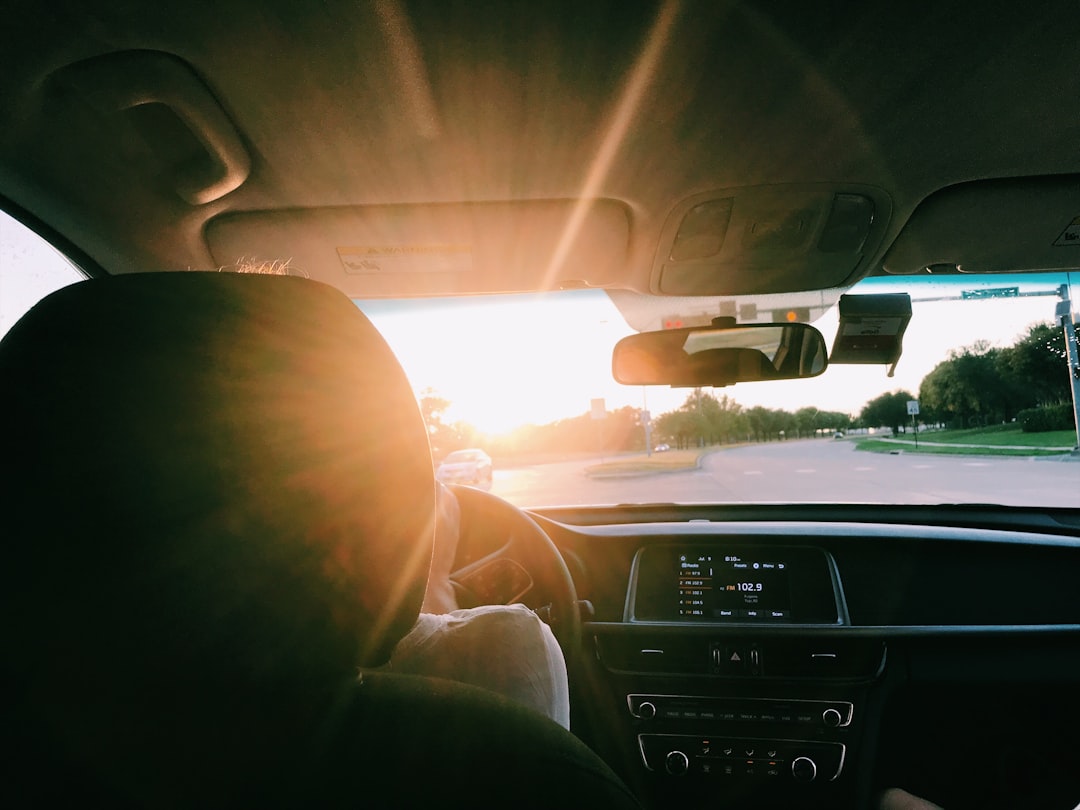
California summers are brutal on your car’s glass, especially if you’ve got existing damage. We’re here to tell you how that relentless heat, combined with those sudden temperature swings, can turn a minor chip into a major headache. As your trusted neighbors since 1960, we’ve seen it all in Oroville and throughout Butte County, and we want to keep you safe on the road.
The sun beats down. It’s that oppressive, sticky heat that seeps into everything in Oroville. You feel it on your skin, in your car, everywhere. But what does it really do to your windshield? We get asked this a lot, especially when folks notice that little chip they’ve been ignoring suddenly looks… bigger. And hotter. It’s not just in their imagination. That shimmering asphalt is radiating heat, baking the inside of your car, and that built-up thermal energy has a direct impact on the glass holding your world together. We’ve been working with automotive glass for over six decades, and we understand the unique challenges this California sunshine brings. It’s a relationship we’ve built with this community, one car at a time, and we want you to feel confident and informed. We watch the weather, we watch the trends, and we’ve seen how that summer sun plays tricks on your vehicle. It’s more than just making things uncomfortable inside your car; it’s about the structural integrity of your windshield.
The Sun’s Subtle, Yet Potent, Pressure
Think about it. Your windshield is a pretty tough piece of glass, designed to withstand a lot. But it’s not invincible. That intense solar radiation, day after day, minute after minute, is delivering a constant, low-level thermal load. It’s like a slow-cooker for your glass. While the heat itself, in isolation, might not spontaneously form a brand-new crack out of thin air – that’s a common misconception we hear – it absolutely acts as a catalyst. It makes existing imperfections, those tiny chips and shallow scratches you might not even notice on a cool day, incredibly vulnerable. We’ve seen those minuscule points of weakness, almost invisible to the naked eye, become the starting point for much larger problems. It’s the subtle expansion and contraction, day in and day out, that does the real work. Those minuscule stresses add up.
The Science of Solar Stress
Your windshield is made of laminated glass. It’s two layers of glass with a plastic layer sandwiched in between. This design is for safety, to prevent shattering. However, even with this layered construction, glass expands when it’s hot and contracts when it’s cold. Over extended periods of intense heat, the glass molecules are in a state of elevated vibration. This constant thermal energy can make the glass more susceptible to stress risers. A small nick or chip, even one that occurred months ago, can act as a stress concentrator. Imagine a tiny imperfection on a balloon; when you inflate it, the stress localizes at that imperfection, making it more likely to burst. The same principle, on a molecular level, applies to your windshield under prolonged heat. We see it time and again in our shop, folks coming in with what was a minor annoyance that has become a significant structural issue.
In addition to understanding how California’s summer heat can exacerbate issues with cracked windshields, you may find it helpful to explore the classic techniques used in modern window installation. These methods not only ensure a secure fit but also enhance the durability of your vehicle’s glass, making it more resilient to temperature fluctuations. For more insights on this topic, check out the article on classic approaches for modern window installation at Cox Glass Co..
The AC Conundrum: A Rapid Temperature Shift
This is where things get really interesting, and frankly, a bit dangerous for your windshield. You’re driving on a sweltering 100-degree day. The air outside is like an oven. You get in your car, and immediately, you crank the air conditioning to its coldest, most powerful setting. Blast! That icy air hits the scorching hot windshield with immediate, dramatic force. Your windshield is suddenly subjected to an extreme, abrupt temperature differential. The exterior is baking under the sun, while the interior is being chilled rapidly. This sudden, localized cooling causes the glass to contract sharply. Where the cold air hits directly, the glass attempts to shrink, while the rest of the windshield, still radiating heat, is trying to maintain its expanded state. This internal tug-of-war creates immense stress.
The Expansion-Contraction Cycle
It’s a continuous cycle during the summer. The sun heats the outside, the car interiors heat up, and then we introduce the blast of cold air. The glass is constantly going through these rapid expansion and contraction phases. It’s not a gradual, gentle process. It’s a shock to the system. This is why we often see cracks that seem to sprout overnight, or suddenly appear to have grown significantly after a particularly hot day. The summer heat primes the glass, making it brittle and susceptible. Then, that jarring temperature change from your AC provides the final pushneeded to turn a small chip into a spreading spiderweb. We advise taking it easy with the AC. Start it on a lower setting and gradually increase the intensity. This allows the glass to adjust more slowly and reduces that dangerous thermal shock.
Why Gradual AC Matters
We always explain this to our customers. It’s not about being uncomfortable for a few extra minutes. It’s about preserving the integrity of your vehicle’s safety features. A cracked windshield compromises its structural role in a crash, and it can degrade your visibility. Think of it as a gentle wake-up call versus a sudden jolt. Your windshield will thank you for it. We’ve been preaching this for years, and we’ve seen the difference it makes in preventing further damage. It’s a small change in habit that can save you significant hassle and expense down the line.
Existing Damage: The Summer’s Favorite Target
Let’s be clear: heat alone doesn’t typically create a new crack from perfectly good glass. But if you’ve got even the smallest chip, a tiny pit where a rock once struck, that’s an open invitation to summer damage. These imperfections are already weak points. The heat from the sun causes the glass around these chips to expand. As this happens, the edges of the chip are pulled apart. Then, when the temperature drops (even slightly, like overnight, or when you start your AC), the glass contracts. This contraction can widen the existing damage. Over days and weeks of intense summer heat, this cycle of expansion and contraction can, and often does, cause that small chip to grow into a long, unsightly crack. We’ve seen chips that were barely noticeable turn into cracks that stretch for a foot or more, all thanks to the relentless summer sun.
The Amplifying Effect of Sunshades
It might seem counterintuitive, but those reflective sunshades you use to keep your car cool can actually exacerbate the problem. While they offer some relief from direct sunlight on your dashboard and seats, they can also intensify the heat directed at your windshield. When the sun’s rays hit the shade, they can reflect some of that energy back onto the glass, especially around the edges. This creates an even hotter microclimate directly in contact with your windshield. Combined with any pre-existing chips, this concentrated heat can accelerate the spreading process. We’ve heard stories, and seen the evidence ourselves, of windshields suffering significant damage after extended periods with sunshades deployed on intensely hot days. It’s a double-edged sword.
The Case of the Spreading Chip
Imagine a tiny starburst chip, maybe the size of a dime. It’s been there for a while, and you’ve barely given it a second thought. Then, a heatwave hits Oroville. For three days straight, temperatures are hovering around triple digits. You’re using your sunshade faithfully. That little chip is now under constant thermal stress. The glass around it is expanding and contracting repeatedly. By the end of that heatwave, you might go to your car and find that the chip has quadrupled in size, and a jagged crack is now radiating outwards. This isn’t a rarity for us; it’s a recurring theme we address every summer. We’ve witnessed the transformation firsthand, and it’s a stark reminder of how vulnerable existing damage becomes.
California’s Extreme Heat: A Real-World Test
We see the news reports. Fresno hits 114 degrees Fahrenheit. Our own Butte County experiences heatwaves that make driving feel like being in an oven. These extreme temperatures are not just a discomfort; they’re a significant factor in automotive glass integrity. While the direct cause of new cracks isn’t the heat alone, it’s the amplification of existing problems that’s the concern. We’ve seen those reports and personal accounts from other parts of the state – a windshield protector literally melting onto the glass due to extreme interior temperatures, or stories of chips growing to dramatic lengths after prolonged sun exposure. These aren’t isolated incidents; they represent the real stress our vehicles endure under severe California weather. It’s a testament to how the environment directly influences the longevity and safety of your car’s glass.
Documented Heat Events and Their Impact
Consider the records: Fresno, July 202X, a blistering 114°F. News outlets report on sunshades melting, and while that’s a dramatic visual, it also underscores the intense heat building up inside the vehicle, and by extension, on the glass. This interior heat, coupled with the exterior solar radiation, creates a powerful thermal load. It’s this sustained, high-level heat that’s the concern for any existing damage on your windshield. We’re not just theorizing; we’re seeing the practical applications of these extreme weather events on the vehicles that roll into our shop. It’s a consistent pattern we observe year after year.
The Absence of New, Heat-Induced Cracks
While we’ve thoroughly searched for recent documented incidents where extreme summer heat alone caused a brand-new crack to appear in an otherwise perfect windshield in California, we haven’t found any such reports from 2026 onwards. This reinforces what we know from our decades of experience and the information from reputable auto glass professionals: the heat is an amplifier, not an originator, of new cracks. The real story, the one we deal with every day, is about how summer heat dramatically accelerates the spread of existing chips and cracks. This is why addressing minor damage promptly is so important.
In addition to understanding how California’s summer heat can exacerbate issues like a cracked windshield, homeowners may also want to consider the benefits of upgrading their windows. For instance, replacing old windows can improve energy efficiency and enhance the overall value of your home. If you’re interested in learning more about how such upgrades can positively impact your property, you can read this informative article on adding replacement windows.
Maintaining Visibility and Safety: Our Top Priority
For us at Cox Glass, your safety has always been paramount. That’s why we’re so diligent about explaining how these summer heat conditions can affect your windshield. A cracked or chipped windshield isn’t just an aesthetic issue; it’s a significant safety concern. It compromises the structural integrity of your vehicle. In the event of a collision, the windshield plays a vital role in supporting the roof of your car and preventing your ejection from the vehicle. Furthermore, cracks can distort your vision, especially at night or in adverse weather conditions, creating dangerous blind spots. We want you to have the clearest, safest view of the road possible.
Your Windshield’s Role in Vehicle Safety
The National Highway Traffic Safety Administration (NHTSA) emphasizes the importance of a properly functioning windshield for overall vehicle safety. It’s not just a piece of glass; it’s an integral part of your vehicle’s safety system. A damaged windshield can impair the proper deployment of airbags. The passenger-side airbag, for instance, often relies on the windshield for support to deploy correctly. A compromised windshield can mean an airbag that doesn’t perform as intended, putting occupants at greater risk. We always encourage our customers to think about the bigger picture when it comes to their auto glass.
The AAA Perspective on Windshield Condition
The American Automobile Association (AAA) also highlights the safety implications of damaged windshields. They point out that even small chips can weaken the glass, making it more susceptible to breaking under stress, whether from road vibrations, temperature changes, or impact. Their recommendations often include prompt repair of chips and cracks to prevent them from spreading and to maintain the structural integrity of the windshield, ensuring optimal visibility and safety. We align completely with these expert opinions.
Proactive Care: Protecting Your Glass This Summer
The best defense against summer windshield damage is proactive care. Don’t wait for that small chip to become a sprawling crack. We’ve been serving Oroville and Butte County since 1960, and over those 60+ years, we’ve learned that a little attention early on saves a lot of trouble later. When you notice a chip or a small crack, bring it to us. We have the expertise and the tools to assess the damage and often repair it quickly and efficiently, restoring its strength and preventing further spreading. This is especially important as the summer heat intensifies.
Why Repair is Often the Best Solution
In many cases, small chips and cracks can be repaired. This process involves injecting a special resin into the damaged area, which then hardens, bonding the glass back together. A successful repair not only restores the structural integrity of the windshield but also prevents the damage from spreading, saving you the cost and hassle of a full replacement. It’s a faster, more economical, and environmentally friendlier solution than replacement, and it ensures your windshield remains safe and clear. We perform these repairs with the same meticulous attention to detail that we put into every job.
Our Commitment to Fast, Local Service
We understand that life in Butte County doesn’t stop for a damaged windshield. That’s why we pride ourselves on our fast and efficient service. When you’re dealing with the heat and the stress of a chip, the last thing you need is a long wait. We work hard to get you back on the road safely and quickly. As your neighborly experts, we’re always here when you need us. We live here, we work here, and we care about the safety of our community.
Don’t let the California summer heat turn a minor annoyance into a major problem for your car’s windshield. If you’ve noticed any chips or cracks, especially with the warmer weather, it’s time to get it checked out. We’re Cox Glass, your local auto glass experts serving Oroville and Butte County since 1960. We’re ready to help you keep your vehicle safe and your visibility clear. Call us today for a prompt assessment and to discuss your repair or replacement options.
FAQs
1. How does the California summer heat affect a cracked windshield?
The intense heat in California during the summer can cause a cracked windshield to expand and worsen. The extreme temperatures can cause the glass to become more brittle, leading to further damage.
2. What are the potential dangers of driving with a cracked windshield in California’s summer heat?
Driving with a cracked windshield in California’s summer heat can pose serious safety risks. The heat can cause the crack to spread, obstructing the driver’s view and increasing the likelihood of the windshield shattering in the event of an impact.
3. Can the California summer heat cause a small crack in a windshield to become larger?
Yes, the high temperatures in California can cause a small crack in a windshield to expand and become larger. The heat can weaken the glass and lead to the crack spreading, potentially compromising the structural integrity of the windshield.
4. How can California drivers protect their windshields from the effects of summer heat?
To protect their windshields from the effects of summer heat, California drivers can park in shaded areas whenever possible, use windshield sunshades, and avoid sudden temperature changes such as blasting the air conditioning on a hot windshield.
5. What should California drivers do if they notice a crack in their windshield during the summer?
If a driver notices a crack in their windshield during the summer, they should seek professional repair or replacement as soon as possible. Ignoring the crack can lead to further damage and compromise the safety of the vehicle.

Recent Comments