

Quick Summary: Homeowners are opting for larger windows, but the real performance driver is glazing quality, not size. ENERGY STAR says certified replacements can cut energy bills by up to 13 percent versus single-pane glass, and a Springer study found that with high-performance glass, a bigger window-to-wall ratio adds far less energy use than the same ratio with cheap glazing. Check U-factor (0.30 or lower), SHGC (0.25 to 0.40 in hot inland areas), and climate zone before expanding glass, and expect framing, permits, and installation scope to change too. Cox Glass, LLC has guided Oroville and Chico homeowners through these choices for over 60 years.
Larger windows promise a wider view, and ENERGY STAR says certified replacements can cut energy bills by up to 13 percent versus single-pane glass. But more home glass also changes heat, comfort and privacy. Before you expand your home glass area, check NFRC ratings, your climate zone and window orientation. Cox Glass, LLC has guided Oroville and Chico homeowners through these choices for over 60 years.
What Larger Glass Changes in a Home
Read the Ratings, Not Just the Glass Size
Bigger panes change more than the view. More glass means more heat gain in summer, more heat loss in winter, and a brighter, more open room in between. The fix is not smaller glass. It is better-rated glass.
Check two numbers before you buy. U-factor measures how well the window keeps heat inside. The lower the number, the better. SHGC (solar heat gain coefficient) shows how much sun heat passes through; in hot inland areas like Chico and Oroville, a lower number helps most. Look for ENERGY STAR labels matched to California’s climate zone.
| Rating | What It Means | What to Aim For |
|---|---|---|
| U-factor | Heat loss through the glass | 0.30 or lower |
| SHGC | Solar heat passing through | 0.25 to 0.40 locally |
| Visible transmittance | How much daylight comes in | 0.50 or higher |
Ask for double-pane, low-E coated units, and have the frame sealed right. A team that handles custom residential glass daily, like Cox Glass, can match ratings to each room. South-facing walls may need different glass than shaded ones.
Tip: Two windows with the same size can perform very differently. The rating sticker matters more than the glass thickness.
home glass upgrades pay off when ratings fit the room, not just the trend.
Match the Glass to the Window’s Exposure
Compare Climate-Zone and Orientation Needs
A bigger pane only performs as well as its coating. Energy Star recommends a low solar heat gain coefficient (SHGC), which measures how much sun heat passes through the glass, for east- and west-facing windows.
| Exposure | What to choose | Why |
|---|---|---|
| West-facing | Low-SHGC low-E glass | Blocks hot afternoon sun |
| North-facing | Standard low-E | Mostly steady, mild light |
| Cold-climate south | Higher solar-gain coating | Free winter warmth |
Low-E glass uses a thin metal-oxide coating that reflects heat while passing light. In hot spots like Oroville and Chico, that coating matters most on sun-baked walls. When you order residential windows through Cox Glass, LLC, we match the coating to each wall’s exposure.

Plan the Project Beyond the Glass Pane
Clarify Scope, Fit, and Installation
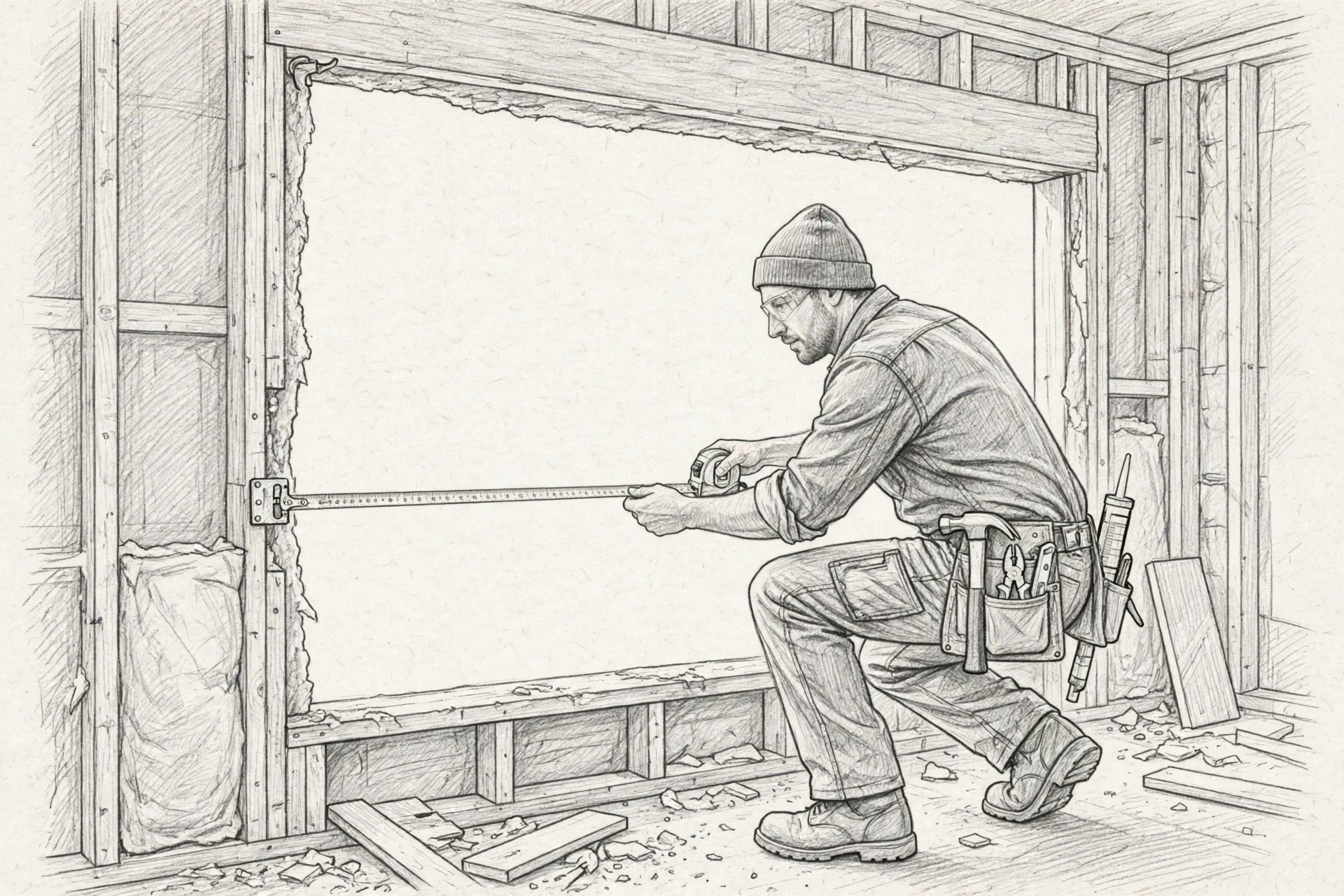
Bigger glass changes more than the view. It affects framing, permits, and the wall itself. Before you order, confirm the rough opening. Existing studs may need to move, and a load-bearing header often has to grow. Check local permit rules early, since many cities in Butte County require one for structural changes.
Also decide how the unit installs. A full-frame replacement suits new openings and old, damaged frames. A retrofit keeps the existing frame and costs less, but only works when that frame is square and dry. Ask your installer how flashing and sealing will be handled, because water detail matters most on wide openings.
A residential glass specialist can measure, pull permits, and flag hidden costs before you commit.
What the Available Evidence Says
There is no federal survey proving a national surge in oversized home windows. But the building industry keeps documenting the direction of travel. Manufacturer interviews published by Qualified Remodeler describe steady demand for bigger openings, slimmer frames and glass walls across all price points, and builder comments in trade coverage echo the same pull toward more glass and natural light.
The energy side is better studied. Research on window-to-wall ratios found that glazing quality matters more than window size: with high-performance glass, a larger window-to-wall ratio drives far less added energy use than the same ratio with cheap glazing, according to a Springer energy study. Low-e coatings are the key technology, because they reflect heat while passing light.
The honest takeaway: the trend is well reported, not precisely measured. Size is fine if the glass is high performance.

Considering bigger windows or a glass wall? Talk with Cox Glass, LLC. Our team helps Oroville and Chico homeowners choose glass that looks great and performs well.
Frequently Asked Questions
Q1: What does residential glass include?
Windows, sliding doors, shower enclosures, mirrors, and custom panels. Cox Glass, LLC installs, repairs, and replaces all of them for Oroville and Chico homes.
Q2: Does bigger glass cost more to heat and cool?
Usually yes, unless you choose low-E or double-pane glass, which cuts heat loss and keeps rooms comfortable.
Q3: Can large window panels be repaired instead of replaced?
Often not. Cracks in large single panels usually need full replacement, so call early to prevent spreading damage.
What Homeowners Should Do Next
Larger glass brings more light, but it also raises questions about energy performance and cost. Compare quotes carefully, check U-factor ratings, and weigh window replacement against repair before committing.



Recent Comments