
When your car’s window breaks, the first question on your mind is likely, “What happens now?” This guide will walk you through the process of auto window replacement, from understanding the damage to getting back on the road safely. It’s a fairly straightforward process once you know what to expect.
Knowing the type of damage your window has sustained is the first step toward getting it fixed. Not all damage requires a full replacement, and understanding the nuances will help you make an informed decision.
Cracks Versus Chips
A chip is typically a small, localized impact point, often caused by a flying rock. If it’s smaller than a quarter and not in your direct line of sight as the driver, it might be repairable. Cracks, however, are linear breaks that spread from an impact point. Even a small crack can quickly grow, especially with temperature changes or bumps in the road.
When to Repair vs. Replace
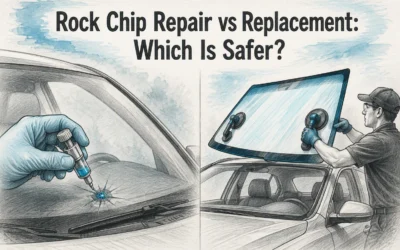
The general rule of thumb is that chips can often be repaired, while cracks usually require replacement. Windshield repairs involve injecting a special resin into the damaged area, which then hardens to restore clarity and structural integrity. This is a cost-effective solution for minor damage. However, if the crack is long, deep, or multi-faceted, or if the damage is in a critical area of the windshield (like directly in the driver’s sightline), replacement is the safer and often only option. Side and rear windows, which are tempered glass, shatter into small pieces, nearly always necessitating replacement.
Different Types of Auto Glass
Your car uses different types of glass for different windows, and each has unique properties.
Laminated Glass
This is what your windshield is made of. It’s constructed from two layers of glass with a layer of poly-vinyl butyral (PVB) plastic in between. When struck, this laminate holds the glass shards together, preventing them from flying into the vehicle’s cabin and offering a much higher degree of safety. This is why windshields tend to crack rather than shatter entirely.
Tempered Glass
Side and rear windows are typically made from tempered glass. This glass is much stronger than regular glass but designed to shatter into small, blunt-edged pieces upon impact. This characteristic is a safety feature, reducing the risk of injury from sharp shards during an accident. Once tempered glass breaks, it cannot be repaired; it must be replaced.
If you’re considering auto window replacement, you might also find it helpful to explore how to enhance your vehicle’s exterior aesthetics. A related article on choosing trim for exterior doors can provide insights into selecting the right materials and styles that complement your vehicle’s overall look. For more information, check out this article on choosing trim for exterior doors.
The Replacement Process: What to Expect
Having your car window replaced isn’t an all-day affair, but it does involve specific steps to ensure a secure and watertight installation.
Initial Assessment and Quote
When you bring your car in, a technician will first assess the damage. They’ll determine if it’s a repairable chip or if a full replacement is needed. They’ll then provide you with a quote, detailing the cost of the new glass, labor, and any associated materials. This is a good time to ask about warranty information for the new glass and the installation work.
Preparing the Vehicle
Before installation, the technician will prepare your car. For a windshield, this means removing the old windshield, which often involves cutting through the urethane adhesive that holds it in place. For side or rear windows, they will carefully remove any remaining glass shards from the door panel or window frame, using a vacuum to ensure all small fragments are gone. The surrounding area will be cleaned thoroughly to ensure proper adhesion for the new glass.
Installing the New Glass
With the area prepped, the new glass is carefully positioned and installed.
Windshield Installation
For a windshield, a specialized, high-strength auto glass adhesive (urethane) is applied to the car’s frame. The new windshield is then lowered into place and pressed firmly to ensure a tight seal. Modern automobiles often have sophisticated sensor systems integrated into the windshield (for features like lane departure warning, automatic braking, and rain sensors). If your car has these Advanced Driver-Assistance Systems (ADAS), the technician may need to recalibrate them after the new windshield is installed. This is a crucial step for the proper functioning of these safety features and requires specialized equipment.
Side and Rear Window Installation
For side windows, the new glass is typically fitted into the existing window regulator mechanism within the door. This involves carefully aligning the glass with the tracks and connecting it to the motor that allows it to move up and down. For rear windows, the process is similar to a windshield, but often without ADAS recalibration. The new glass is sealed into the frame using an appropriate adhesive.
Curing Time and Post-Installation Care
After the new glass is installed, particularly for windshields, there’s a crucial “drive-away time.” This is the period during which the adhesive needs to cure enough to be safe for driving. This can range from an hour to several hours, depending on the type of adhesive used and environmental conditions. Driving too soon can compromise the seal and the structural integrity of the installation. The technician will advise you on the specific drive-away time. You might also be advised to avoid car washes, high-pressure water, and slamming doors for a day or two to allow the adhesive to fully cure.
Choosing the Right Service Provider
Finding a reliable and experienced service provider is paramount for a safe and effective auto window replacement.
Certified Technicians and Quality Materials
Look for auto glass companies that employ certified technicians. This often means they have undergone specialized training and adhere to industry best practices. Ask about the quality of the glass they use. Reputable shops will use Original Equipment Manufacturer (OEM) or Original Equipment Equivalent (OEE) glass, which meets the same safety and quality standards as the glass originally installed in your car. Aftermarket glass, while sometimes cheaper, might not always meet the same specifications.
Warranty and Insurance Considerations
A good service provider will offer a warranty on both the new glass and the installation work. This gives you peace of mind in case of any issues with leaks or defects. It’s also important to understand how your auto insurance covers window damage. Many comprehensive insurance policies cover auto glass replacement with little or no deductible. It’s a good idea to contact your insurance provider before scheduling the repair or replacement to understand your coverage options. They may even recommend a preferred repair shop.
Mobile Service vs. Shop Visit
Many auto glass companies offer mobile services, where technicians come to your home or workplace to perform the replacement. This can be incredibly convenient, especially if your car isn’t safe to drive with damaged glass. However, some complex installations or recalibrations might require a controlled environment, meaning a shop visit is necessary. Discuss these options with the service provider to determine the best approach for your situation.
Cost and Factors Affecting Price
The cost of auto window replacement can vary significantly depending on several factors. It’s helpful to understand what contributes to the overall price.
Type of Window and Vehicle Make/Model
The most obvious factor is the specific window being replaced. Windshields are typically more expensive than side or rear windows due to their size, the laminated glass material, and the potential for integrated ADAS sensors. The make and model of your vehicle also play a large role. Luxury vehicles or those with specialized glass (for example, acoustic glass or heated windows) will generally have higher replacement costs. Older, more common models often have more readily available and less expensive glass.
ADAS Calibration Costs
As mentioned earlier, if your vehicle has Advanced Driver-Assistance Systems (ADAS) that rely on sensors integrated into the windshield, recalibration will be necessary after a windshield replacement. This calibration ensures that these safety features—such as automatic emergency braking, lane keep assist, and adaptive cruise control—function correctly. ADAS calibration requires specialized tools and expertise, adding to the overall cost of the replacement. It’s a crucial step that shouldn’t be skipped for safety reasons.
Labor and Materials
Labor costs will vary depending on your location and the complexity of the installation. Replacing certain side windows might involve more intricate panel removal compared to a straightforward windshield. The cost of the adhesive, seals, and other necessary materials also contributes to the final price. Using high-quality urethane for windshields, for instance, ensures a strong and lasting bond.
If you’re considering enhancing your home’s value, you might want to explore the benefits of auto window replacement as well. A recent article discusses how upgrading your windows can significantly improve energy efficiency and curb appeal, making your home more attractive to potential buyers. For more insights on this topic, you can read the full article here: adding replacement windows. This investment not only elevates your property’s aesthetic but also contributes to long-term savings on energy bills.
Safety and Maintenance Tips
| Metrics | Data |
|---|---|
| Number of auto window replacements | 500 |
| Cost of auto window replacement | 300 |
| Types of auto window replacements | Front windshield, rear windshield, side windows |
| Average time for auto window replacement | 2 hours |
Once your new window is installed, a little care and attention can help prolong its life and ensure your continued safety.
Protecting Your New Window
For the first day or two after replacement, avoid excessive jarring or slamming doors, especially for windshields, to allow the adhesive to fully cure. Don’t use automatic car washes with high-pressure sprays during this initial period. When cleaning your windows, use appropriate glass cleaner and a soft cloth to avoid scratching.
Regular Inspections
Periodically inspect your windows for any new chips or cracks. Even small damage should be addressed promptly, as it can worsen over time and lead to a more costly replacement. If you notice a small chip, consider having it repaired quickly before it turns into a crack.
Avoiding Future Damage
While some damage is unavoidable, there are steps you can take to minimize the risk. Maintain a safe following distance from vehicles, especially trucks, to reduce the chance of airborne debris hitting your windshield. Avoid parking under trees that might drop branches or sap. Additionally, don’t use harsh chemicals on your car’s glass, as they can degrade seals over time.
Getting an auto window replaced isn’t ideal, but knowing the process can make it a less stressful experience. Focus on finding a reputable provider, understanding the options, and taking proper care of your new glass.
Recent Comments