
When your car glass takes a hit, whether it is a small chip or a larger crack, your immediate thought is probably, “How fast can I get this fixed?” The good news is, for many types of car glass damage, especially chips and minor cracks, a swift repair is often not just possible, but highly recommended. Neglecting even small damage can lead to it spreading, making a more expensive replacement necessary. Generally, if the damage is smaller than a quarter and not in the driver’s direct line of sight, a repair is a strong contender. For significant cracks or shattered glass, replacement is the only way to go. The key here is quick action to assess and address the issue.
Not all car glass damage is created equal, and understanding the type of damage you have is the first step in knowing whether a repair is even feasible.
Chips
Chips are probably the most common type of car glass damage. They often result from small rocks or debris hitting your windshield at speed.
- Bullseye: These chips are circular with a distinct impact point in the center, resembling an eye.
- Star Break: Featuring short cracks radiating outwards from a central impact point, much like a star.
- Combination Break: As the name suggests, this is a mix of both bullseye and star break characteristics.
- Pit: A very small, sometimes barely noticeable, piece of glass missing without any radiating cracks. These are the easiest to repair.
Generally, chips up to the size of a quarter, or even half-dollar, are prime candidates for repair. The depth of the chip also matters. If it has not penetrated the inner layer of the laminated glass, a repair is usually successful.
Cracks
Cracks are longer lines of damage that can spread across the glass. Their repairability depends heavily on their length and location.
- Edge Crack: A crack that begins within two inches of the windshield’s edge. These can be trickier to repair due to the stress points near the edge, and often spread quickly.
- Floater Crack: A crack that is not near the edge of the windshield. These are generally easier to repair if they are not too long.
- Stress Crack: These cracks appear without a visible impact point and are often caused by extreme temperature fluctuations or improper installation. They may not be repairable once they have begun to spread.
A crack that is longer than six inches is typically beyond repair and will require a full windshield replacement. The repair process for cracks involves injecting a specialized resin into the damaged area, which then cures and bonds the glass, restoring its structural integrity and optical clarity.
Other Damage
While chips and cracks are the most common, other types of damage might occur.
- Scratches: Shallow scratches might be buffed out by a professional, but deep scratches can weaken the glass and might necessitate replacement.
- Pitting: This refers to many tiny chips over time, usually from sand or dust abrasion. While individual pits are too small to repair, extensive pitting can reduce visibility and might lead to glass replacement.
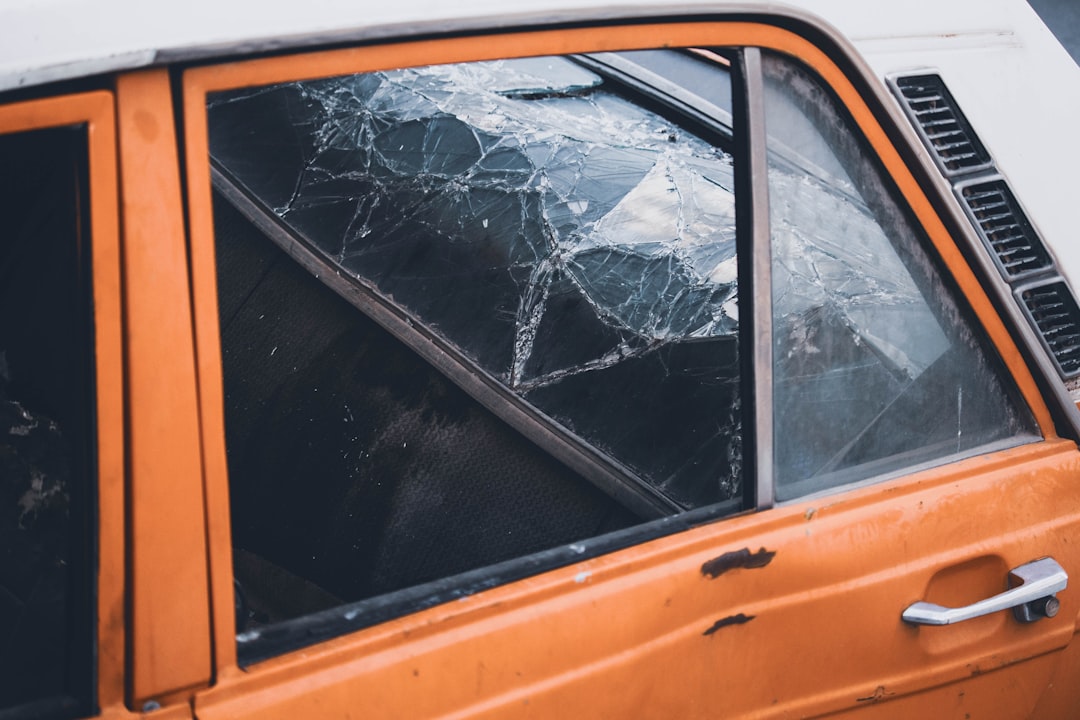
- Shattered Glass: For side and rear windows, which are often made of tempered glass, an impact will cause the glass to shatter into many small, relatively harmless pieces. In this situation, repair is not an option; a full replacement is needed immediately for safety and security.
Being able to describe the type of damage accurately when you contact a repair service will help them provide a more precise estimate and determine the best course of action. Do not hesitate to take a picture of the damage to send to them; it can be very helpful.
If you’re looking for reliable car glass repair services near you, it’s essential to understand the importance of quality installation and repair techniques. A related article that delves into modern window installation methods is available at this link: Classic Approach for Modern Window Installation. This article highlights the best practices and innovations in the industry, ensuring that your vehicle’s glass is not only repaired but also installed with precision and care.
The Repair Process: What to Expect
When you take your vehicle in for car glass repair, understanding the steps involved can alleviate some anxiety and help you appreciate the work being done.
Initial Assessment
The technician will first thoroughly clean the damaged area to remove any dirt or debris that could impede the repair. They will then carefully assess the damage, looking at its size, type, and location. This is where they will confirm if a repair is indeed the best option or if a replacement is unavoidable. They will also look for any pre-existing damage or stress points that could affect the repair’s success.
Drilling (If Necessary)
For some types of chips, especially those with air trapped inside or those that are deep, the technician might carefully drill a small hole into the outer layer of the glass. This creates a clear path for the repair resin to penetrate the entire damaged area, ensuring a complete and strong bond. This is a precise step aimed at maximizing the effectiveness of the repair.
Resin Injection
The core of the repair process involves injecting a specialized, optically clear resin into the chip or crack. This resin is formulated to have similar refractive properties to glass, which is why it becomes nearly invisible once cured. The technician uses a vacuum pump or injector tool to draw air out of the damaged area and then push the resin in, ensuring it fills every tiny crevice. This step is crucial for restoring the structural integrity of the glass.
Curing the Resin
Once the resin has completely filled the damaged area, it needs to be cured. This is typically done using an ultraviolet (UV) light. The UV light activates a chemical process in the resin, causing it to harden and bond securely with the surrounding glass. The curing process usually takes a few minutes, after which the resin becomes solid.
Finishing Touches
After the resin is cured, the technician will carefully scrape off any excess resin from the surface of the windshield using a razor blade. They will then polish the repaired area to restore its smoothness and optical clarity. The goal is to make the repaired spot as close to invisible as possible, though a faint mark might still be visible upon close inspection, particularly if the chip was large or complex. The repair should drastically improve the appearance and, more importantly, restore the structural integrity of your windshield.
Choosing a Repair Service: Key Considerations
Finding the right service for your car glass repair can make a difference in the quality and longevity of the repair. Do not just pick the first result you see; take a moment to consider these points.
Reputation and Reviews
In today’s digital age, online reviews are a valuable resource. Check Google reviews, Yelp, or other local service directories. Look beyond just the star rating; read what people are actually saying. Are customers consistently praising the speed of service, the quality of the repair, and the professionalism of the staff? Be wary of companies with many negative reviews or a consistent pattern of complaints. A company with a long history of positive customer feedback generally indicates a reliable service.
Certifications and Experience
Glass repair, especially for modern vehicle windshields with advanced driver-assistance systems (ADAS), requires specialized knowledge and equipment.
- Technician Certifications: Ask if their technicians are certified. Organizations like the Auto Glass Safety Council (AGSC) offer certifications that demonstrate a technician’s adherence to industry safety standards and best practices.
- Industry Experience: A company that has been in business for many years usually implies they have refined their processes and have a good understanding of various vehicle makes and models. Experienced technicians are more likely to handle complex repairs efficiently and correctly.
Do not hesitate to inquire about their training and qualifications. A reputable company will be transparent about their team’s expertise.
Warranty and Guarantees
A good car glass repair service will stand behind their work.
- Repair Warranty: Most reputable repair shops will offer a warranty on their chip repairs. This typically covers the repair failing (e.g., the chip spreading again) or issues related to the repair itself. Understand what the warranty covers and for how long.
- Workmanship Guarantee: Some services offer a broader guarantee on their workmanship, ensuring that the repair meets industry standards.
Make sure you get the warranty details in writing. This provides peace of mind that if something goes wrong with the repair, you will not have to pay for it again.
Insurance and Payment Options
Navigating insurance claims can be complicated, and it is helpful when a repair service can assist with this.
- Direct Billing: Many car glass repair services can directly bill your insurance company, simplifying the claims process for you. Inquire if they work with your specific insurance provider.
- Deductibles: For many comprehensive insurance policies, glass repair is covered with no deductible, or a very low one. Confirm this with your insurance company or the repair service.
- Cash Payment: If you are paying out of pocket, ask about their pricing upfront. Get a clear quote that includes all fees, so there are no surprises.
Understanding their payment and insurance policies before the repair begins can save you time and potential headaches.
Mobile vs. Shop Service: Convenience and Considerations

When you have a damaged car window, you have options for getting it fixed. Deciding between a mobile service that comes to you or going to a dedicated shop depends on your situation and preferences.
Mobile Repair Services
Mobile repair services offer unparalleled convenience.
- On-Demand Convenience: They come to your home, workplace, or any other convenient location, saving you time and the hassle of driving to a shop. This is particularly useful if your vehicle’s condition makes it unsafe or illegal to drive, or if you simply have a packed schedule.
- Emergency Situations: For shattered side or rear windows, a mobile unit can quickly get to you to secure your vehicle, which is often a priority for safety and security.
- Limitations: While convenient, mobile services can be subject to weather conditions. Rain, extreme cold, or high humidity can affect the quality of a chip repair or prevent a replacement altogether, as the adhesives need specific conditions to cure properly. They might also need a level surface and adequate lighting. They may also not have all specialized tools for very unique or complex automotive glass installations.
Before booking a mobile service, it is worth asking about their weather policies and if they have any specific requirements for their workspace.
In-Shop Repair Services
Taking your vehicle to a dedicated shop offers a controlled environment and often access to a wider range of equipment.
- Controlled Environment: Shops provide a climate-controlled, dust-free environment, which is ideal for all types of glass repair and replacement. This is crucial for ensuring the adhesives cure correctly and that no contaminants compromise the repair.
- Access to Specialized Equipment: Shops usually have a full array of specialized tools, lifts, and equipment that might not be practical for a mobile unit to carry. This can be beneficial for complex replacements or vehicles with unique glass configurations.
- Waiting Area and Amenities: Most shops offer a waiting area with Wi-Fi and other amenities, making your wait more comfortable. You might even be able to drop off your vehicle and pick it up later if that suits your schedule.
- Time Commitment: The primary drawback is that you have to drive your vehicle there and either wait or arrange for alternative transportation. This can be less convenient than a mobile service, but it guarantees ideal repair conditions.
If you have a particularly sensitive vehicle, a relatively large or tricky repair, or if weather conditions are unfavorable for mobile service, going to the shop is often the safer bet for a high-quality job.
If you’re considering car glass repair near you, it’s also worth exploring how different types of glass can enhance your home environment. For instance, choosing the right window options can significantly impact the comfort and aesthetics of your living spaces. To learn more about this, check out this informative article on best window options for bedrooms and kids’ rooms. Understanding these choices can help you make informed decisions not only for your vehicle but also for your home.
Understanding the Cost: What Influences Pricing
| Location | Distance | Rating |
|---|---|---|
| Downtown | 1.5 miles | 4.5 stars |
| Westside | 3.2 miles | 4.2 stars |
| Eastside | 2.8 miles | 4.0 stars |
The cost of car glass repair or replacement can vary considerably depending on several factors. Understanding these elements can help you anticipate expenses and make informed decisions.
Type of Damage
The nature and extent of the damage are primary cost drivers.
- Chip Repair: Generally,chip repairs are much less expensive than replacements. They often cost a fraction of a full windshield replacement, partly due to less material and labor involved. The size and complexity of the chip (e.g., a simple bullseye versus a combination break) can slightly influence the price, but it is typically a flat fee per repair, sometimes with a small additional charge for multiple chips.
- Crack Repair: Repairing a crack can be more expensive than a chip repair, especially if it is longer or more complex. There might be a per-inch charge for cracks, or a tiered pricing system based on the crack’s length.
- Replacement: A full glass replacement is the most expensive option. This involves the cost of the new glass itself, which can vary wildly, plus significant labor costs for removal, preparation, and installation.
Always get a clear quote for the specific type of damage your vehicle has before proceeding with any work.
Type of Glass
The type of glass your vehicle uses significantly impacts the overall cost.
- Standard Auto Glass: For older vehicles or those with basic windshields, standard laminated glass replacements are generally the least expensive.
- OEM vs. Aftermarket:
- Original Equipment Manufacturer (OEM) Glass: This is glass made by the exact same manufacturer that supplied the glass for your vehicle when it was assembled at the factory. It often comes with the vehicle’s logo and guarantees a precise fit and quality. It is typically more expensive.
- Aftermarket Glass: Manufactured by other companies but designed to meet the same specifications as OEM glass. These are often a more budget-friendly option and usually perform just as well. While aftermarket glass is generally a good choice, ensure the glass meets safety standards and is from a reputable manufacturer.
- ADAS Windshields: Modern vehicles equipped with Advanced Driver-Assistance Systems (ADAS), which include features like lane-keeping assist, automatic emergency braking, and adaptive cruise control, often have sensors and cameras integrated into the windshield. Replacing these specialized windshields requires not only the costly glass itself but also a precise recalibration of the ADAS system after installation, adding a significant amount to the overall cost.
- Other Features: Windshields with rain sensors, heating elements, soundproofing, or heads-up display integration also cost more than basic glass.
When getting a quote, specify if your vehicle has any of these advanced features, as it will affect the glass pricing and potentially the labor involved in installation and recalibration.
Labor Costs and Shop Rates
Labor costs are a significant portion of the total bill, particularly for replacements.
- Hourly Rates: Labor rates can vary based on the location, the reputation of the shop, and the expertise of their technicians. More specialized or certified technicians may command higher rates.
- Time Required: A simple chip repair might take 20-30 minutes, while a full windshield replacement, including ADAS recalibration, could take several hours. The longer the job, the higher the labor cost. Mobile services might also factor travel time into their pricing.
- Additional Charges: Be aware of any potential hidden fees. Some shops might charge for disposal of old glass, shop supplies, or convenience fees for mobile service. Ask for a complete breakdown of costs upfront.
A reputable service will provide a transparent quote, detailing the cost of the glass, labor, and any other applicable charges. Do not hesitate to ask for clarification on anything you do not understand in the estimate.

Recent Comments