
Finding Quality Auto Glass Near You: Your Practical Guide
Dealing with cracked or broken auto glass isn’t just an annoyance; it’s a safety concern. The good news is, finding quality auto glass repair or replacement services near you doesn’t have to be a chore. This guide breaks down what to look for, how to assess your options, and what to expect so you can get back on the road with confidence.
Before you even start searching, it’s helpful to know what you’re dealing with. Is it a small chip, a long crack, or a complete shatter? The type of damage can influence the repair method and the urgency.
Minor Damage: Chips and Small Cracks
A small chip, often caused by a pebble or debris from another vehicle, might seem minor. However, these can quickly spread, especially with temperature changes or vibrations from driving.
The Chip Repair Advantage
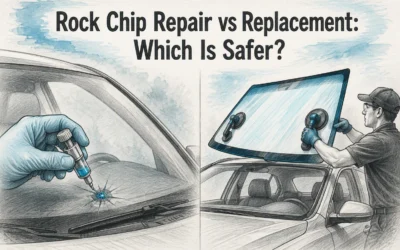
In many cases, a small chip can be repaired rather than replaced. This is typically a less expensive and faster process. A resin is injected into the chip, bonding the glass together and preventing further spreading. This not only saves money but also restores the structural integrity of the glass to a certain extent.
When Repair Isn’t an Option
There are limits to chip repair. If a chip is too large, too close to the edge of the windshield, or has multiple impact points, replacement is usually the only safe and effective solution. Technicians will assess the damage and advise on the best course of action.
Major Damage: Large Cracks and Shatters
When you’re facing a significant crack that obstructs your vision or a completely shattered window, replacement is the only answer. This is a more involved process and requires professional handling.
Windshield Replacement: More Than Just Glass
Your windshield is a critical safety component. It provides structural support to your vehicle’s roof in a rollover accident and is essential for the proper deployment of airbags. A quality replacement ensures these functions are maintained.
Side and Rear Windows: Safety and Security
While perhaps not as structurally critical as the windshield, side and rear windows are important for security, weather protection, and even acoustic dampening. They also contribute to the overall rigidity of the vehicle.
If you’re looking for reliable auto glass services in your area, you might find it helpful to read about the innovative techniques used in modern window installations. For more insights on this topic, check out this article on classic approaches for modern window installation, which discusses the importance of quality materials and skilled craftsmanship in ensuring safety and durability. You can find the article here: Classic Approach for Modern Window Installation.
What Makes Auto Glass Services “Quality”?
“Quality” in auto glass isn’t just about the price. It encompasses the materials used, the technician’s expertise, the warranty offered, and the overall customer experience.
The Importance of the Glass Itself
Not all auto glass is created equal. You’ll generally have two main options: Original Equipment Manufacturer (OEM) and Aftermarket.
OEM vs. Aftermarket Glass
- OEM Glass: This is glass made by or for the original vehicle manufacturer. It’s designed to meet the exact specifications of your car, truck, or SUV. While often the most expensive option, it guarantees a perfect fit and matches the quality of your original glass, including any special features like heating elements or tinting.
- Aftermarket Glass: This glass is manufactured by companies other than the original automaker. It’s usually more affordable than OEM glass. Reputable aftermarket manufacturers adhere to safety standards and can be a perfectly acceptable choice. However, quality can vary, so choosing a trusted installer who uses quality aftermarket brands is key.
Features to Consider
Modern vehicles often have more than just plain glass.
- Tinting: Some windshields come with a factory tint for UV protection or to reduce glare. Ensure any replacement matches this.
- Heating Elements: Certain vehicles have heating elements embedded in the glass to de-ice or de-fog. This is a feature that needs to be replicated in a replacement.
- Sensors: Rain sensors (for automatic wipers) and light sensors (for automatic headlights) are becoming increasingly common and are usually integrated into the windshield. The replacement glass needs to accommodate these seamlessly.
- Cameras: Advanced Driver Assistance Systems (ADAS) cameras are mounted behind the windshield. After a windshield replacement, these cameras usually require recalibration to function correctly. This is a crucial step often overlooked by less experienced shops.
Technician Skill and Experience
This is perhaps the most crucial element of quality. Even the best glass won’t be installed correctly by an inexperienced technician.
Certified Technicians Matter
Look for shops that employ technicians certified by organizations like the Auto Glass Safety Council (AGSC). Certification indicates that technicians have undergone rigorous training and testing on proper installation procedures, safety standards, and the use of the correct materials.
Understanding Calibration
For vehicles with ADAS systems, the camera system often needs to be recalibrated after a windshield replacement. This calibration ensures the safety features (like lane departure warnings or adaptive cruise control) function accurately. Not all shops have the equipment or expertise to perform this critical calibration. Failing to recalibrate can render these safety features useless or even dangerous.
Experience with Your Vehicle Make/Model
While most technicians can handle common repairs, some vehicles have unique glass designs or installation challenges. A shop with a good track record of working on your specific make and model can be an advantage.
The Warranty: Your Peace of Mind
A reputable auto glass shop will stand behind their work with a solid warranty. This is a strong indicator of their commitment to quality.
What a Good Warranty Covers
- Workmanship: This should cover any issues related to the installation itself, such as leaks or the glass becoming loose from the frame.
- Materials: It should also cover defects in the glass itself, though this is less common with quality suppliers.
- ADAS Recalibration: If ADAS recalibration was performed, the warranty should address any issues arising from that process.
Understanding the Fine Print
Always ask about the warranty details. How long does it last? What exactly does it cover? What is the process for making a claim? A shop that is upfront and clear about their warranty is generally a trustworthy one.
Where to Find Quality Auto Glass Services
Now that you know what to look for, let’s talk about where to find these services.
Local Auto Glass Specialists
Dedicated auto glass shops are often your best bet for specialized service.
Pros of Local Specialists
- Focus and Expertise: Their entire business revolves around auto glass, meaning they generally have highly trained technicians and a deep understanding of various glass types and installation methods.
- Comprehensive Services: They typically offer both repair and replacement for all types of auto glass, including windshields, side windows, and rear windows.
- ADAS Calibration: Many specialist shops are equipped to handle the complex recalibration of ADAS systems.
- Relationships with Suppliers: They often have established relationships with reputable glass manufacturers, ensuring access to quality materials.
Cons of Local Specialists
- May Require an Appointment: While some offer mobile service, you might need to bring your vehicle in, which can take time out of your day.
- Geographic Limitations: You’re dependent on their physical location, though many offer mobile services.
Dealerships: The OEM Route
Your car’s dealership can be a good option, especially if you prioritize OEM parts and have concerns about complex integrated systems.
Pros of Dealerships
- Guaranteed OEM Parts: You are virtually certain to get OEM glass, ensuring a perfect match for your vehicle.
- Expertise with Your Specific Brand: Technicians are intimately familiar with your vehicle’s make and model, including its specific glass and sensor configurations.
- Integrated Service: They can seamlessly handle other related vehicle systems if necessary.
Cons of Dealerships
- Higher Cost: Dealerships are typically the most expensive option for auto glass repair or replacement.
- Slower Turnaround: They may have longer wait times for appointments and parts compared to specialized shops.
- Less Specialization in Glass: While they know your car, their primary focus isn’t solely on auto glass, meaning they might not be as specialized in the nuances of glass repair for all vehicles as a dedicated shop.
Mobile Auto Glass Services: Convenience First
Many auto glass companies offer mobile services, bringing the repair or replacement directly to you.
Pros of Mobile Services
- Unmatched Convenience: They come to your home, workplace, or wherever your vehicle is located. This is a huge time-saver.
- Minimal Disruption: You can often continue working or attending to personal matters while they work on your vehicle.
- Ideal for Busy Schedules: Perfect for those who can’t easily take time off or travel to a shop.
Cons of Mobile Services
- Weather Dependent: Extreme weather conditions can sometimes prevent mobile service from being performed safely outdoors.
- Shop Environment: Some highly complex installations or repairs might still be better suited for the controlled environment of a physical shop.
- ADAS Calibration: While many mobile services can perform recalibrations, ensure they have the necessary equipment and expertise for your specific vehicle.
How to Choose the Right Service Provider
Making the final decision requires a bit of research and asking the right questions.
Research and Reviews
Online reviews and word-of-mouth are invaluable resources.
Reading Online Reviews
- Look for Patterns: Don’t get hung up on a single negative review. Look for recurring themes in both positive and negative feedback.
- Focus on Specifics: Reviews that detail the quality of the work, the professionalism of the staff, and the timeliness of the service are more helpful than vague praise.
- Check Multiple Platforms: Look at Google reviews, Yelp, and any automotive-specific review sites.
Asking for Recommendations
- Friends and Family: Personal recommendations from people you trust are often the most reliable.
- Mechanics: Your trusted mechanic might be able to recommend a good auto glass specialist.
Your Checklist for Choosing a Provider
When you’re on the phone or speaking with a potential provider, keep these points in mind:
- Do they offer mobile service? If so, what are the service areas?
- What type of glass do they use? Are they willing to install OEM glass if that’s what you prefer?
- Are their technicians certified? Ask about specific certifications.
- Do they have experience with ADAS calibration for your vehicle? This is crucial for newer cars.
- What is their warranty on workmanship and materials? Get the details in writing or confirmed via email.
- Can they provide a detailed estimate over the phone or online? Be wary of companies that can’t give you some idea of cost without inspecting the vehicle.
- How long will the repair/replacement take? Understand the expected downtime for your vehicle.
If you’re looking for reliable auto glass services near you, it’s essential to understand the different materials used in window replacements. A helpful resource on this topic can be found in an article that discusses the importance of selecting the right material for your windows. You can read more about it here: choosing the right material for your window. This information can guide you in making informed decisions when it comes to your vehicle’s glass needs.
The Process: What to Expect
| Location | Distance | Rating |
|---|---|---|
| Downtown | 1.2 miles | 4.5 |
| Westside | 3.5 miles | 4.2 |
| Eastside | 2.8 miles | 4.0 |
Understanding the typical workflow can help alleviate any anxiety about the repair or replacement process.
The Initial Consultation and Estimate
This is where you get an assessment of the damage and a cost breakdown.
Describing the Damage
Be prepared to describe the damage accurately. Where is it located? How large is it? Does it obscure your vision? Are there any other vehicles or objects that might have caused it?
Receiving an Estimate
A quality estimate should be detailed, outlining the cost of the glass, labor, any necessary calibration, and any additional materials used. Be sure to ask if the estimate includes taxes and fees.
The Repair or Replacement Appointment
This is when the work gets done.
Windshield Repair Process (for chips)
- Cleaning: The damaged area is thoroughly cleaned to remove debris.
- Drilling (sometimes): A small hole might be drilled at the tip of the crack to prevent it from spreading further and to allow for resin injection.
- Resin Injection: A special clear resin is injected into the chip or crack under pressure.
- Curing: The resin is cured, usually with a UV light, until it hardens.
- Polishing: The repaired area is polished smooth to minimize its visibility.
Windshield Replacement Process
- Vehicle Preparation: The vehicle is prepared, and protective coverings are placed to prevent damage to the paintwork.
- Old Glass Removal: The old windshield is carefully cut out. This requires specialized tools to avoid damaging the vehicle’s frame.
- Pinch Weld Preparation: The area where the new windshield will be installed (the pinch weld) is cleaned and treated with primers and adhesives to ensure a strong, watertight seal. This is a critical step for structural integrity and leak prevention.
- New Glass Installation: The new windshield is carefully placed and secured with a high-quality automotive-grade adhesive.
- Curing Time: The adhesive needs a specific amount of time to cure before the vehicle is safe to drive. This is often referred to as the “Safe Drive-Away Time” (SDAT).
- ADAS Recalibration (if applicable): If your vehicle has ADAS features, the camera system is recalibrated using specialized equipment.
Post-Service Checks and Care
After the work is done, there are a few things to keep in mind.
What to Check
- Visible Damage: Inspect the new or repaired glass for any imperfections.
- Water Leaks: After the first wash or in heavy rain, check for any signs of water entering the cabin.
- ADAS Functionality: If calibration was performed, test the relevant safety features if possible.
Care Instructions
- Adhesive Curing: Respect the Safe Drive-Away Time (SDAT) provided by the technician. Avoid slamming doors, as this can create pressure changes that affect the adhesive’s curing.
- Cleaning: Use only approved glass cleaners and microfiber cloths for cleaning your new glass.
- Avoid Car Washes (Temporarily): Some technicians recommend avoiding high-pressure car washes for a day or two after replacement to allow the adhesive to fully set.
If you’re looking for reliable auto glass services near you, it’s essential to consider the quality of materials used in the repair or replacement process. A related article discusses the best window options for bedrooms and kids’ rooms, which can provide insights into the importance of choosing the right glass for safety and durability. You can read more about it in this informative piece on window options. Understanding these factors can help you make informed decisions for both your home and vehicle.
Common Concerns and Questions
Here are some frequently asked questions people have when dealing with auto glass issues.
“How much will it cost?”
The cost varies wildly depending on several factors:
- Type of Glass: OEM glass is more expensive than aftermarket.
- Vehicle Make and Model: Luxury cars or models with complex glass features will cost more.
- Damage Type: Repair is less expensive than replacement.
- Location: Labor rates can differ by region.
- ADAS Recalibration: This adds to the cost.
Always get a detailed estimate before authorizing any work.
“How long will it take?”
- Chip Repair: Typically takes 30-60 minutes.
- Windshield Replacement: Can take 1-3 hours, plus adhesive curing time.
- ADAS Recalibration: Can add another 30-90 minutes.
The Safe Drive-Away Time (SDAT) is critically important. Your vehicle is not safe to drive until this time has passed.
“Does my insurance cover it?”
- Comprehensive Insurance: In most cases, windshield repair and replacement are covered under your comprehensive insurance policy.
- Deductible: You will likely have to pay your deductible, though some policies have a separate, lower or no deductible specifically for glass claims.
- Direct Repair Programs: Many insurance companies work with approved auto glass shops, which can streamline the claims process.
It’s always best to check with your insurance provider about your specific coverage for auto glass.
“Can I go to any auto glass shop?”
While you can go to any shop, choosing wisely ensures you get a safe and durable repair or replacement. Prioritize shops with certified technicians, a good warranty, and experience with your vehicle’s specific needs, especially ADAS systems.
By taking a practical, informed approach, you can navigate the process of finding quality auto glass near you and ensure your vehicle is safe and sound.

Recent Comments